Saying a final goodbye is a deeply personal moment. For many, it’s a time to honor a life lived in harmony with personal values, including a love for nature. In recent years, more people are choosing a farewell that reflects a commitment to the planet, turning towards eco funerals and green burials. At the heart of this gentle movement lies a simple, meaningful choice: the biodegradable coffin.
If you’re considering this option, you likely have questions. What are they made of? How do they work? This guide warmly walks you through everything you need to know about these natural resting places, focusing on the beauty and craft of one of the most popular choices: the willow coffin.
Why Choose a Biodegradable coffin?
A biodegradable coffin is designed to return to the earth naturally and safely. Unlike traditional coffins that may contain metals, plastics, or chemical-treated woods, a truly biodegradable coffin is made from 100% natural, organic materials. Its purpose is to facilitate a clean and gentle reunion with the soil, leaving no trace and nourishing new life.
This choice is a cornerstone of a green burial. In a green burial, the body is returned to the earth without embalming chemicals, in a coffin that will decompose. It’s a process that supports the natural cycle of life, allowing a physical legacy to contribute to the growth of a tree, wildflowers, or the health of the soil itself. It’s a quiet, powerful statement of love—for the person, and for the Earth they cherished.
The Many Forms of Natural Farewells
Biodegradable coffins come in a beautiful array of natural materials, each with its own character:
•
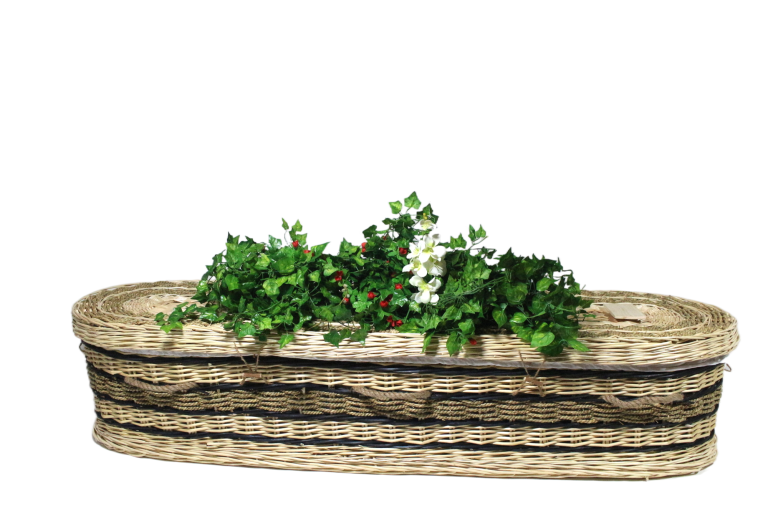
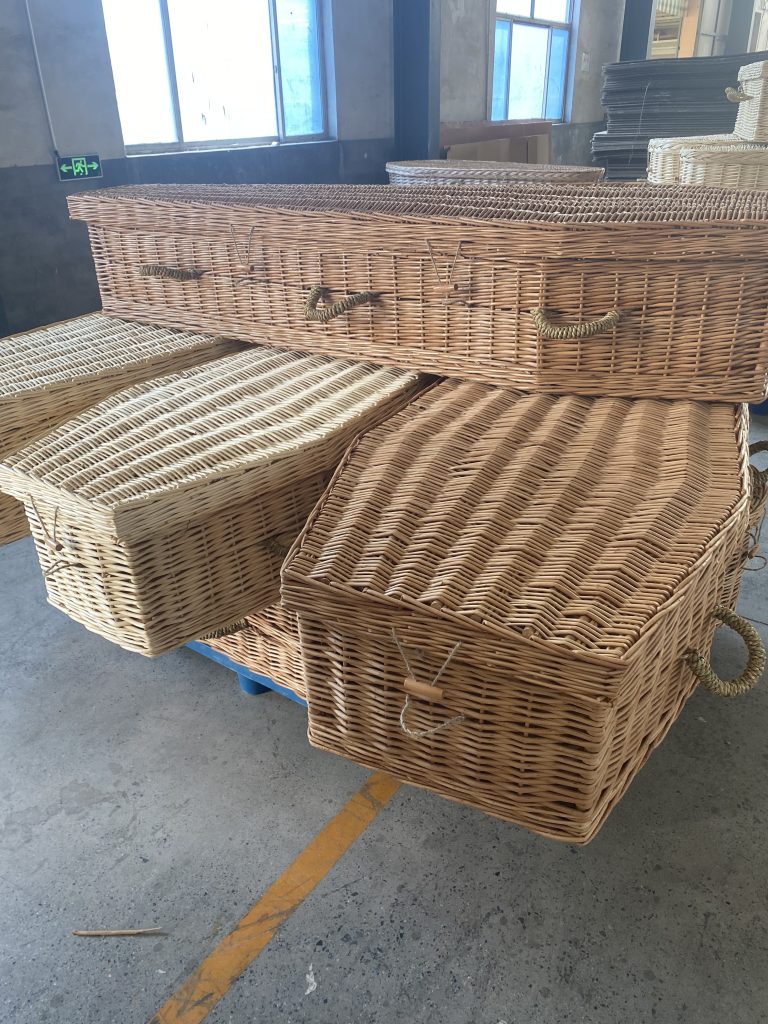
Wicker or willow : Perhaps the most well-known, these coffins are hand-woven, offering a lightweight, strong, and beautifully textured option.
•
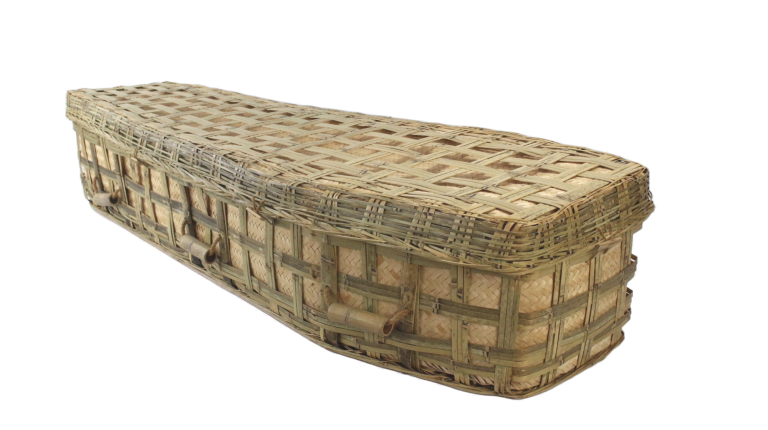
Bamboo: Known for its rapid growth and strength, bamboo makes for a sturdy, elegant, and sustainable choice.
•
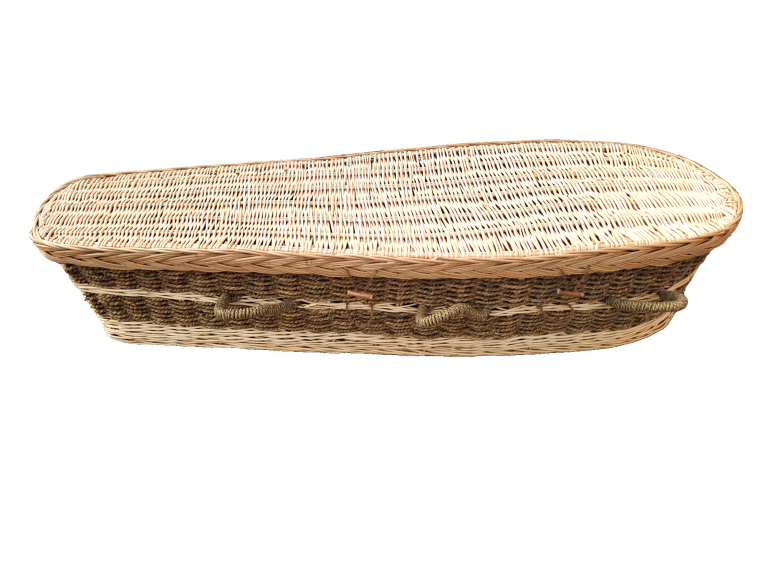
Seagrass or Rush: These natural fibers are woven into simple, beautiful coffins with a soft, earthy appearance.
•
Cardboard: Often made from recycled paper, cardboard coffins are simple, customizable, and have a very low environmental footprint.
•
Untreated Pine or Other Woods: Simple pine coffins, free from varnishes and metal handles, are a classic and dignified biodegradable option.
Among these, the handmade coffin crafted from willow holds a special place. It represents not just a product, but a story of ancient craft meeting modern ecological values.
A Closer Look at the willow coffin: Woven with Care
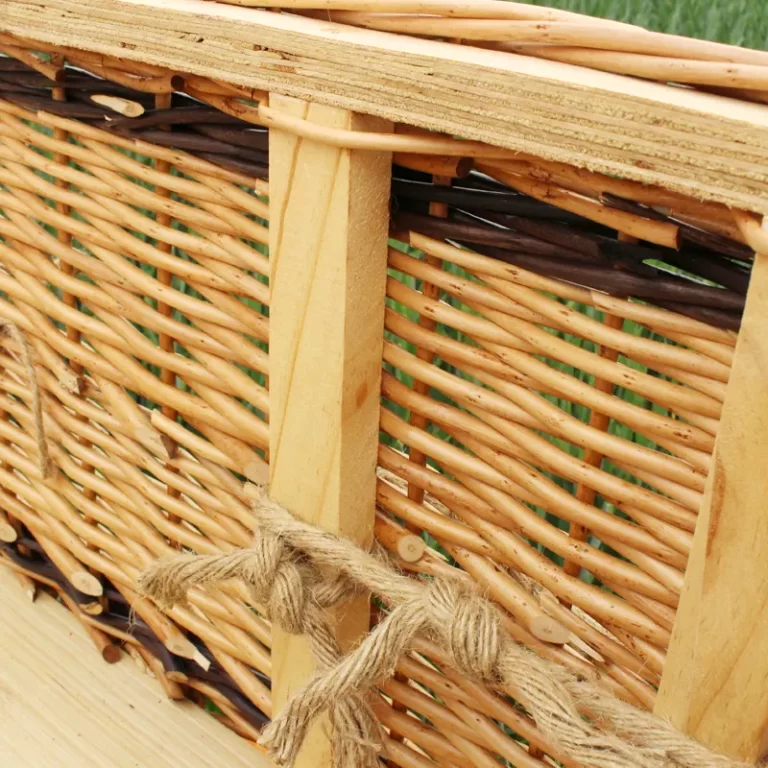
The willow coffin (or willow casket) is a perfect example of form meeting function in the most graceful way. It’s not just a container; it’s a piece of natural artistry.
•
The Material: willow is a fast-growing, renewable resource. It is harvested from sustainable plantations, often needing only water and sunlight to thrive, making it an inherently eco-friendly material.
•
The Process: The creation of a high-quality willow coffin is a patient, human-centric craft. Skilled artisans, often in regions with centuries of weaving heritage, transform the pliable willow rods by hand. This isn’t factory mass-production; it’s a careful weaving process where each rod is placed with intention. The resulting coffin is remarkably strong yet entirely natural. There are no nails or screws—the structure comes from the weave itself, sometimes reinforced with natural wooden frames and biodegradable glue.
•
The Feel: A willow coffin has a warm, textured, and organic presence. It feels honest and connected to the earth. Many find its natural aesthetic to be deeply comforting, a world away from the polished, sometimes cold feel of traditional options. It speaks of simplicity, purity, and a return to origins.
From Harvest to Final Goodbye: The Journey of a willow coffin
Understanding how a willow coffin is made deepens the appreciation for it. The journey often begins in dedicated willow beds. In places like Linshu County in China’s Shandong province—a region celebrated for its generations of willow cultivation and weaving expertise—the process is rooted in deep tradition. Here, the term “source factory” takes on real meaning. These workshops oversee the entire cycle, from nurturing the willow to the final hand-weaving. This connection from soil to final product ensures quality and a truly sustainable practice. The willow is harvested, soaked to make it flexible, and then woven by artisans into the elegant, sturdy form of the coffin. The handles are not added on; they are woven into the very fabric of the casket. The lid is crafted to fit perfectly, completing a cohesive, 100% natural vessel.
Practical Considerations for a green burial
If you are planning a green burial, choosing a willow or other biodegradable coffin is a perfect step. Here’s what to keep in mind:
•
Cemetery Requirements: Always check with your chosen natural burial ground or green cemetery first. They will have specific regulations about the types of biodegradable coffins they accept. Most welcome natural materials like willow , bamboo, and cardboard.
•
Strength and Durability: A common question is about strength. A well-made handmade coffin from willow is deceptively strong and is designed to carry its loved one with dignity and safety. Artisans ensure the weave and structure are robust.
•
Personalization: One of the joys of a handmade coffin is the potential for personal touches. Many artisans can incorporate woven patterns, or you can adorn the coffin with natural, biodegradable decorations like flowers, leaves, or written messages in natural ink. A simple, beautiful cloth shroud can also be draped inside or over the coffin.
•
The Service Itself: A willow coffin brings a uniquely serene and authentic atmosphere to a funeral service. Its natural presence can help create a feeling of peace and connection. It is lightweight, making it easier for bearers to carry, adding a personal, participatory element to the farewell.
A Gentle Return to the Earth
What happens after the service is the most profound aspect of this choice. In the green burial ground, the willow casket is lowered into the earth. There, in contact with soil, moisture, and microorganisms, the natural process of return begins. A willow coffin typically starts to break down meaningfully within a year, and will fully decompose within a few years, leaving only nutrient-rich matter behind. It becomes part of the land, contributing to the ecosystem. This gentle cycle offers immense comfort to many families, providing a tangible sense of peace and continuity.
Making the Choice
Choosing a coffin is a significant decision. It’s a final act of care. Opting for a biodegradable coffin, especially a willow coffin, is a choice that honors a life lived with love and looks forward with hope. It is a choice for craftsmanship over industry, for natural cycles over permanence, and for leaving a gentle footprint.
It is a final, loving gesture that is as beautiful in its meaning as it is in its simple, woven form—a true vessel for a peaceful return, woven not just from willow , but from respect for both the departed and the world they leave behind.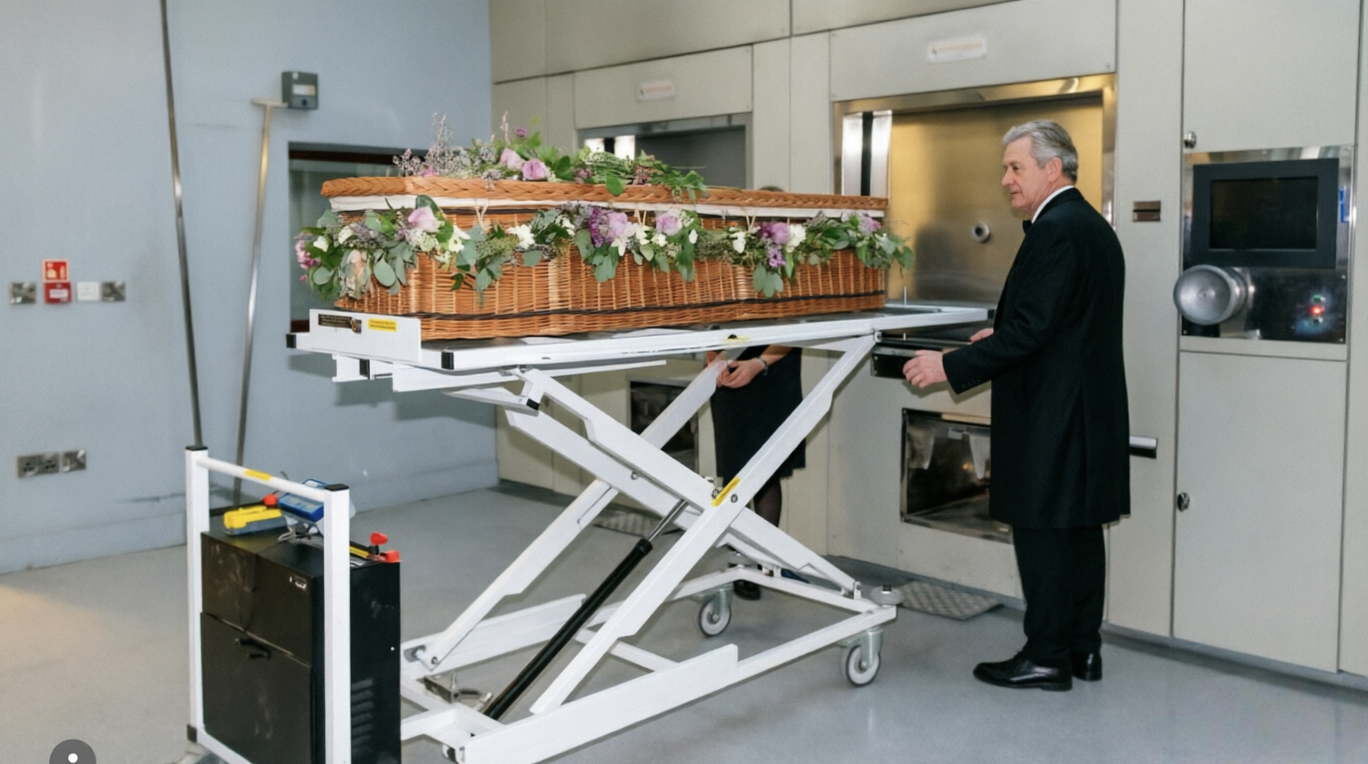
Phoenix Nest coffins Crafts Co.,Ltd.
Whatsapp: +86-18265103836 (Whatsapp & Wechat & Tel)
Email: jason@phoenxinestcoffin.cn
#willow coffin#greencoffins#bamboocaskets#urns#naturalcoffins#chinafactory#scattertube#naturalburial#FuneralSupplies#cross#flowerbands#shrouds #carrierfuneral
We are a factory supporting eco friendly green funeral(natural willow coffins\bamboo caskets and so on) .. for detail please contact us www.phoenixnestcoffins.com;
We are a factory supporting eco friendly green funeral(natural willow coffins\bamboo caskets and so on) .. for detail please contact us www.phoenixnestcoffins.com;
Phoenix Nest ( Shandong ) Crafts Co.,Ltd.
Whatsapp: +86-18265103836 (Whatsapp & Wechat & Tel)
Email: jason@phoenxinestcoffin.cn
#willow coffin#greencoffins#bamboocaskets#urns#naturalcoffins#chinafactory#scattertube#naturalburial#FuneralSupplies#cross#flowerbands#shrouds #carrierfuneral