In recent years, something beautiful has been quietly growing. More and more families are stepping away from traditional funeral conventions and embracing natural funerals. By 2026, this shift has become not just a trend, but a heartfelt movement.
Why? Because people are realizing that the way we say goodbye can be as gentle and meaningful as the life we celebrate. Natural funerals—often called green burial—offer a way to return our loved ones to the earth with kindness, simplicity, and love.
What Makes a Natural Funeral Different?
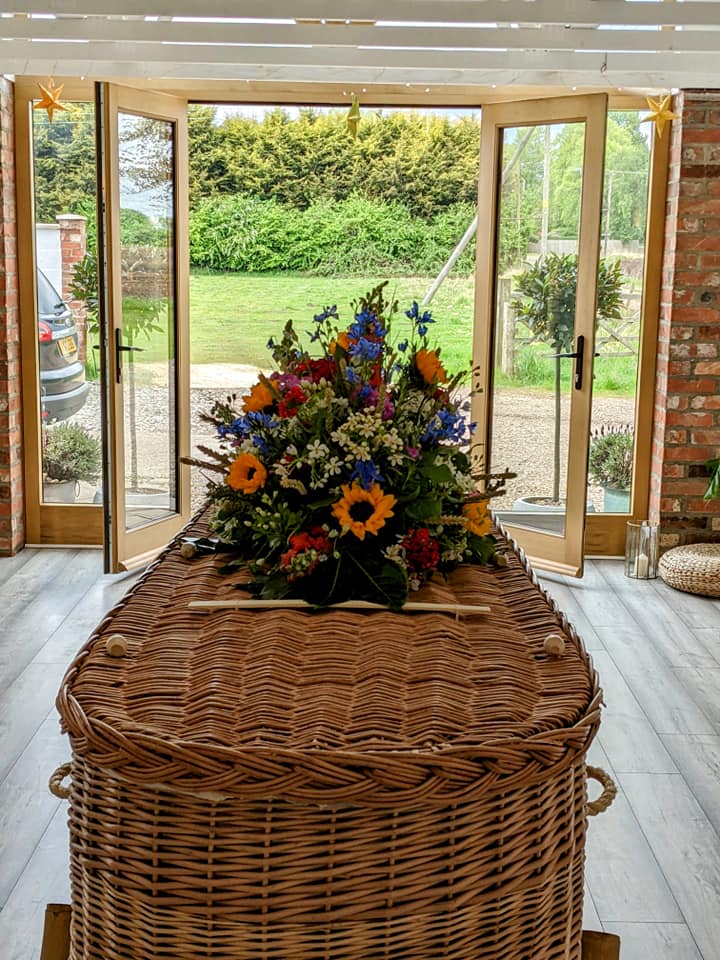
A natural funeral avoids harsh chemicals, metal caskets, and concrete vaults. Instead, it focuses on biodegradable materials, minimal processing, and a return to nature. At the heart of this choice is the biodegradable coffin—often a handmade coffin woven from natural materials like willow .
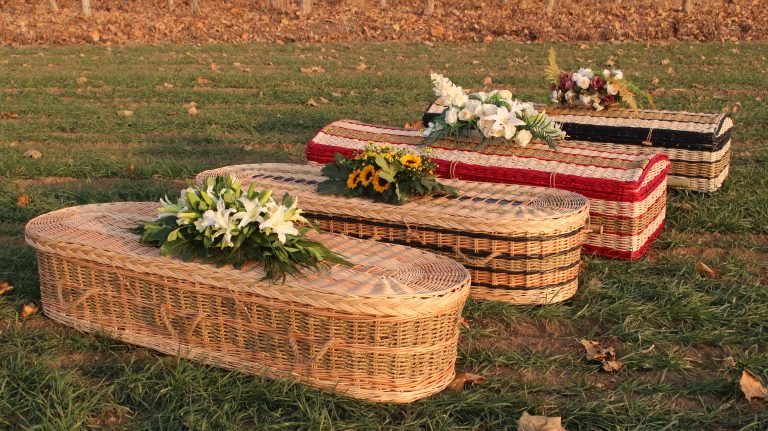
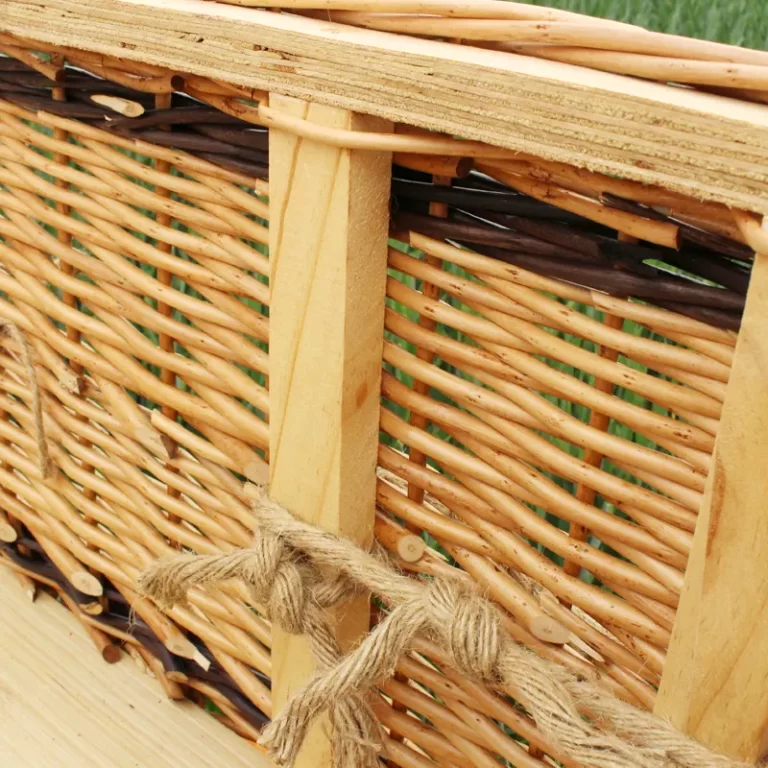
One of the most beloved options today is the willow coffin. Light, beautiful, and entirely natural, these coffins allow the body to decompose naturally, nourishing the soil and completing the circle of life. Families often say that choosing a willow casket feels less like buying a product and more like choosing a final gift for the earth.
A Gentle Return to Nature
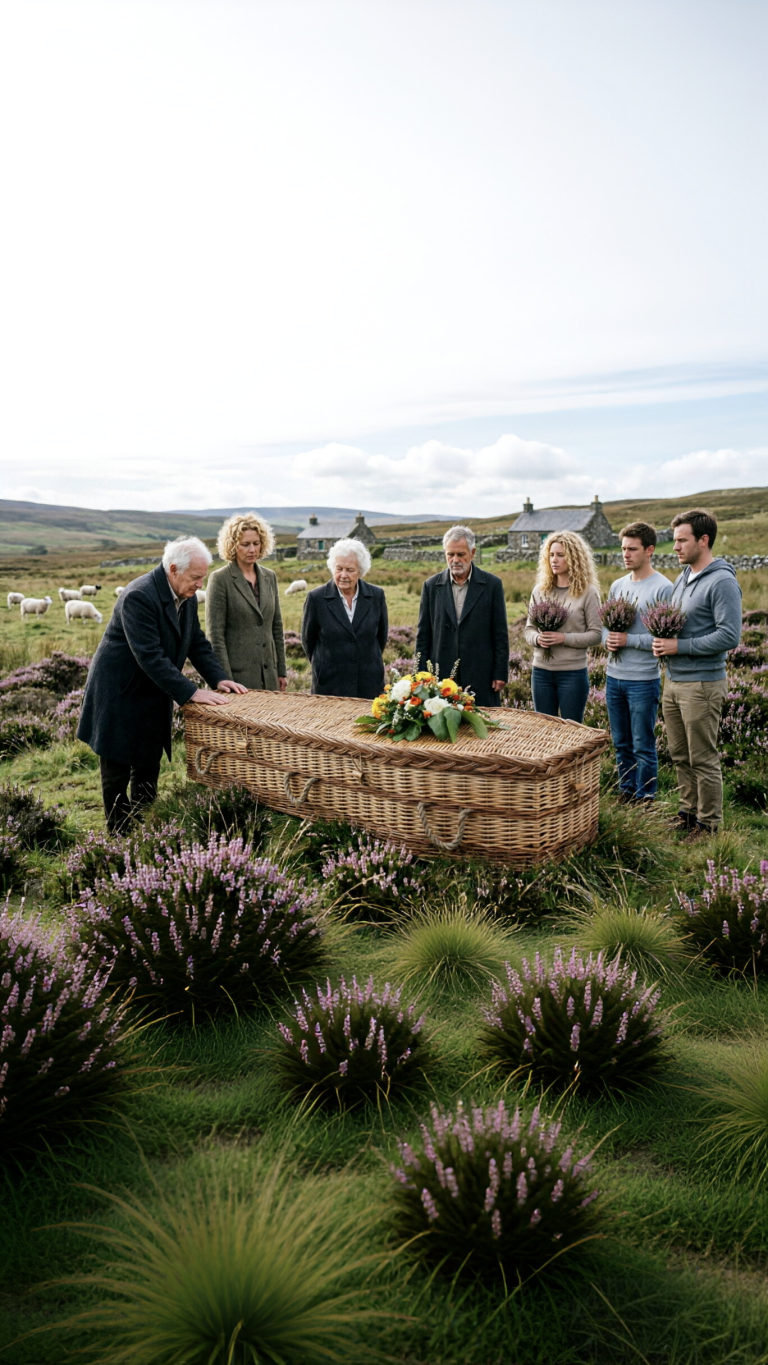
Imagine a simple graveside service beneath an old oak tree. The coffin is woven from soft, flexible willow branches, each one carefully placed by skilled hands. There are no polished metals, no toxic embalming fluids—just wood, willow , and love.
This is the essence of an eco funeral. It honors not only the person who has passed but also the planet they loved. For families who spent weekends hiking, gardening, or simply enjoying the outdoors, a green burial feels like the natural next step.
The 2026 Shift: Why Now?
Several factors have pushed natural funerals into the mainstream this year:
Environmental awareness – More people understand the environmental cost of traditional burials. Millions of tons of steel, concrete, and wood are buried each year. In contrast, a biodegradable coffin leaves almost no footprint.
Cost concerns – Traditional funerals can cost
8
,
000
–
8,000–15,000. A natural funeral, especially with a willow casket, is often far more affordable—sometimes half the price or less.
Personal values – Many families now see death not as something to hide or preserve, but as a natural process. They want their final act to reflect how they lived: simply, gently, and with respect for the earth.
The Beauty of Handmade
There is something deeply comforting about a handmade coffin. Unlike factory-stamped metal caskets, each willow coffin is unique. The weaver’s hands leave small variations—a tighter weave here, a graceful curve there. These details speak of care and craft.
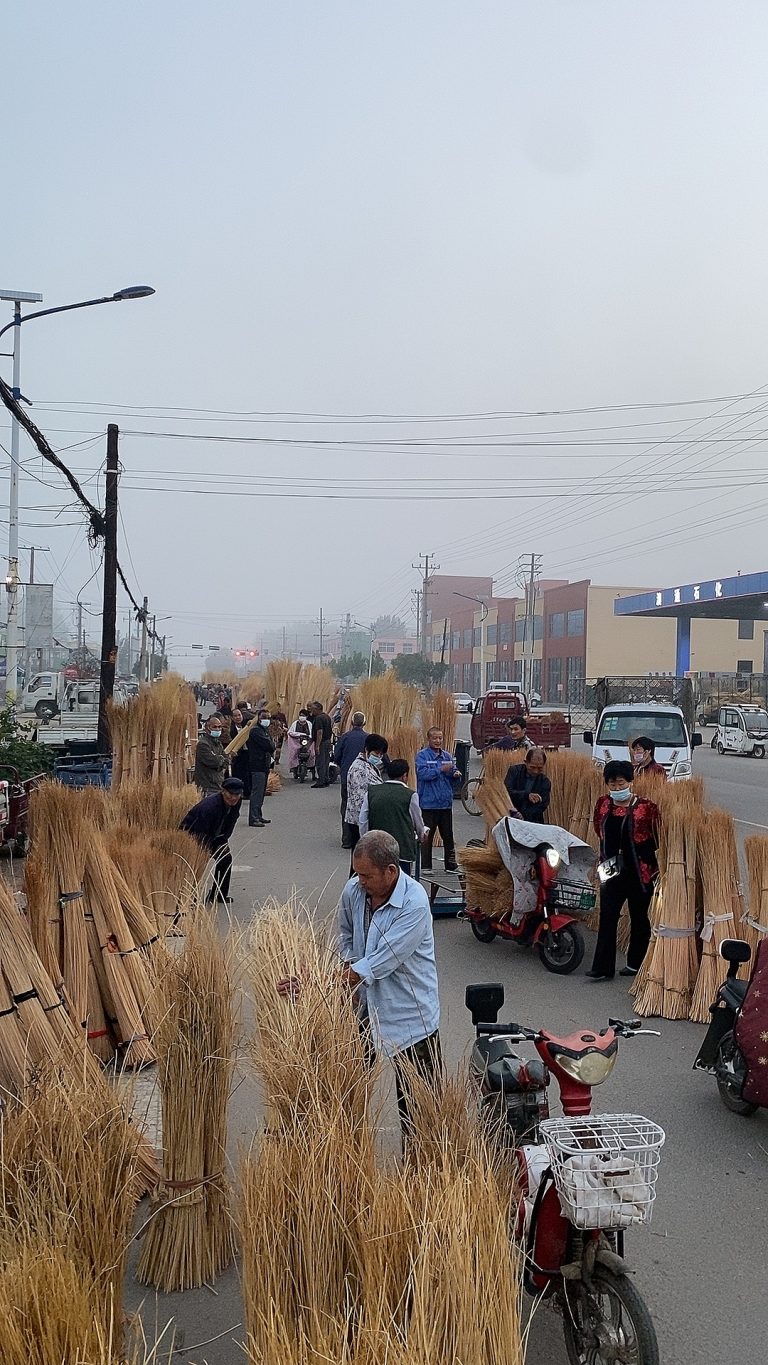
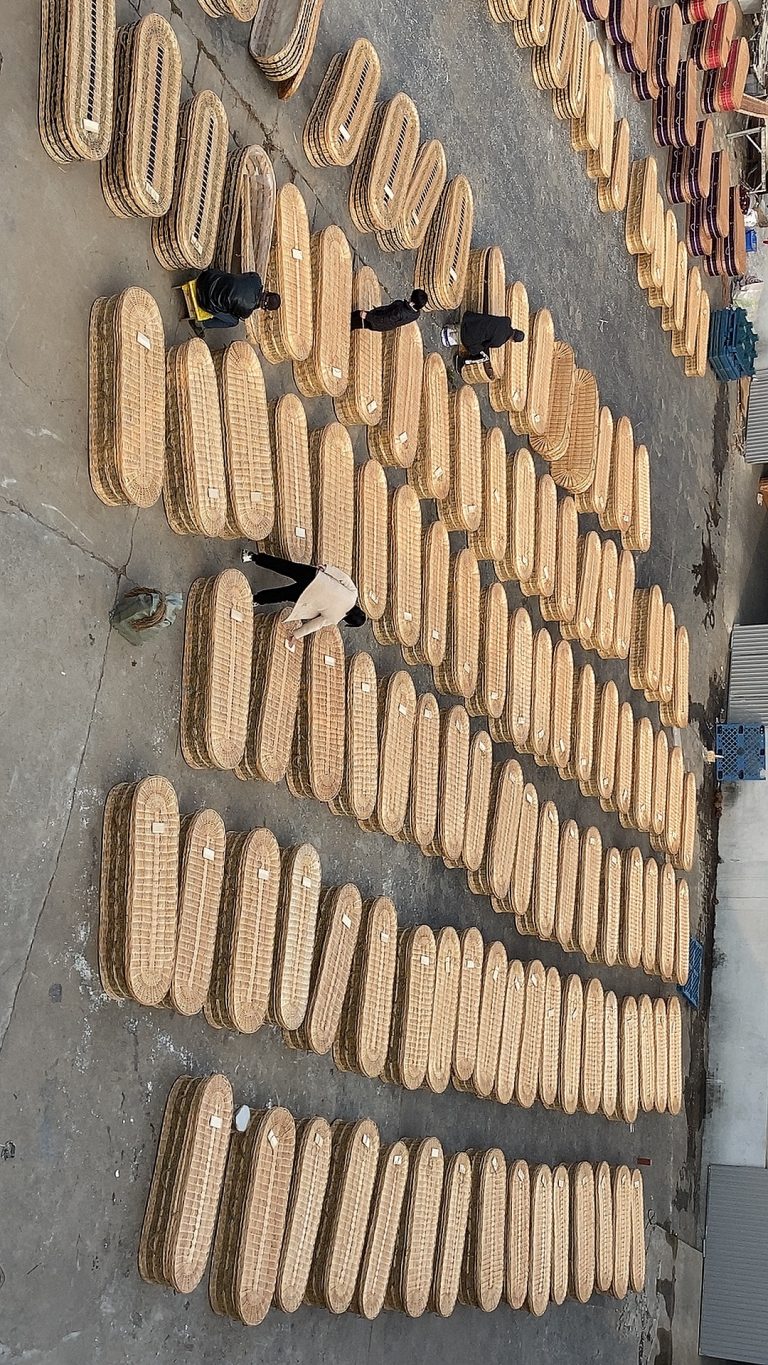
And here, many families are discovering a quiet connection to a small town in China called Linshu. For generations, Linshu has been known for its exceptional willow weaving. The craft is passed down through families, combining ancient techniques with sustainable harvesting. Today, many of the most beautiful willow coffin and willow casket options sold in Europe and America trace their roots directly to Linshu’s artisan workshops. These are not mass-produced goods; they are handmade coffin pieces created by people who understand willow —its strength, its flexibility, its quiet beauty.
One family in Oregon shared with us: “When we saw the willow coffin, we didn’t think ‘imported.’ We thought ‘made with love.’ The fact that it came from a family workshop in Linshu, where they’ve woven willow for centuries, made it even more special.”
What About Regulations?
A common concern is whether green burials are legal. By 2026, most states in the U.S. and many countries in Europe have approved natural burial grounds. Some cemeteries now have dedicated green burial sections. Others are entirely natural, without headstones or markers—just GPS coordinates and wildflowers.
The key is choosing a biodegradable coffin that meets local guidelines. willow , seagrass, bamboo, and untreated wood are all acceptable. The willow coffin remains a favorite because it is both sturdy and fast-decomposing, usually breaking down within months in moist soil.
How Families Are Planning Ahead
Another beautiful trend in 2026 is pre-planning natural funerals. More people are including eco funeral wishes in their will or advanced directives. They visit natural burial grounds while still healthy, choosing a spot with a view of the woods or a meadow. They order their willow casket years in advance, sometimes even storing it at home as a gentle reminder—not of death, but of intention.
“I want my kids to remember me planting tomatoes, not worrying about funeral bills,” one 68-year-old from Vermont told us. “My willow coffin is already woven. It sits in my barn wrapped in cotton. And every time I see it, I smile.”
Overcoming Misconceptions
Some people worry that natural funerals are less respectful or less “formal.” But families who have experienced them say the opposite is true. Without the cold sterility of a traditional funeral home, there is more room for genuine grief, storytelling, and even laughter.
A green burial often allows loved ones to lower the coffin themselves, toss in handfuls of soil, or plant a tree on the grave. These acts are deeply healing. They replace fear with participation, and distance with closeness.
The Global Village of Natural Farewells
It is worth noting that while natural funerals feel new to some Western families, they are ancient practices in many cultures. willow weaving for burial has existed for thousands of years. Today, thanks to global craftsmanship, a family in California can choose a willow coffin woven in Linshu, China, by artisans who learned the skill from their grandparents. That coffin then travels across the ocean—not as a cold import, but as a bridge between traditions.
Linshu has become a quiet, unsung hero in the green burial movement. Its workshops produce thousands of handmade coffin pieces each year, from simple willow shrouds to intricately patterned willow casket designs. These are not advertised loudly. They are chosen by families who ask, “Where does this really come from?” And the answer brings comfort: from a place where willow grows in abundance, and where hands remember what machines cannot replicate.
A Final Thought
Choosing a funeral is never easy. But more families are finding peace in the simplicity of willow coffin and green burial. It is not about giving up tradition—it is about choosing a tradition that feels true. True to the person who died. True to the family left behind. And true to the only earth we will ever have.
As one grieving daughter wrote in a letter to a willow casket maker in Linshu: “Thank you for making something so sad feel so soft. My mother loved gardens. Now she is one.”
That, perhaps, is why families are choosing natural funerals in 2026. Not because it is fashionable. But because it is love—woven, biodegradable, and returning home.
If you are considering an eco funeral or green burial, start by looking for local natural burial grounds. Then explore handmade coffin options, including willow coffin and willow casket designs from trusted artisans—some of whom continue centuries-old traditions in places like Linshu, China.