Why Are Wicker Coffins So Expensive?

Why Are Wicker Coffins So Expensive?

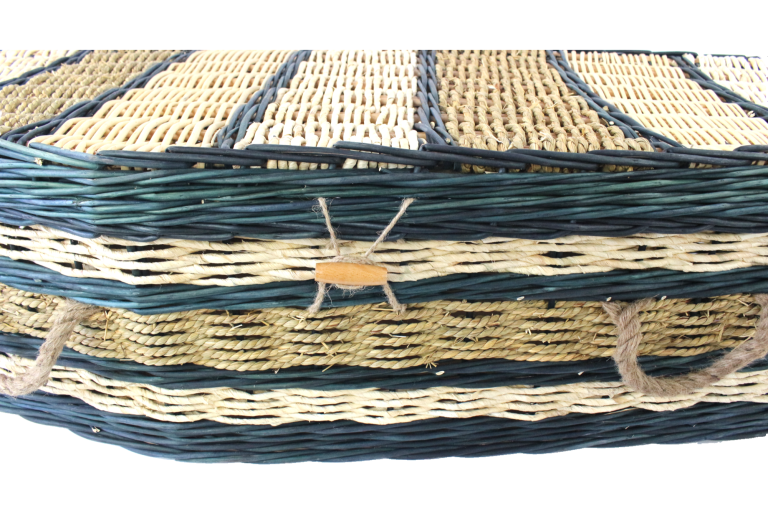
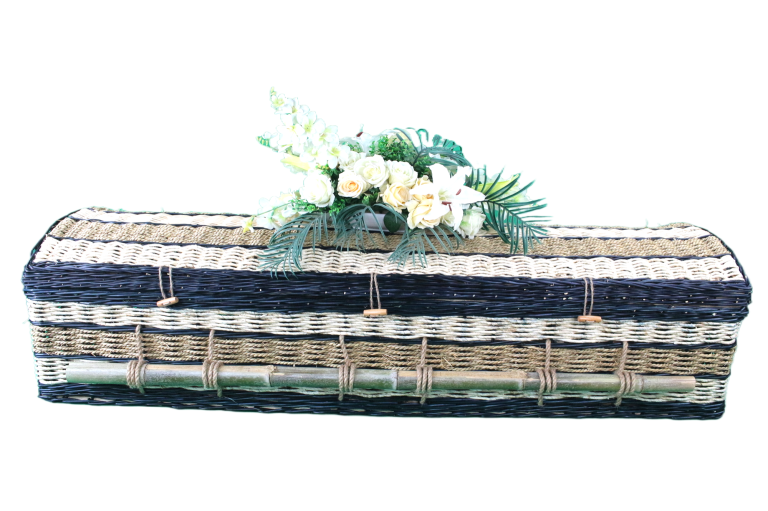
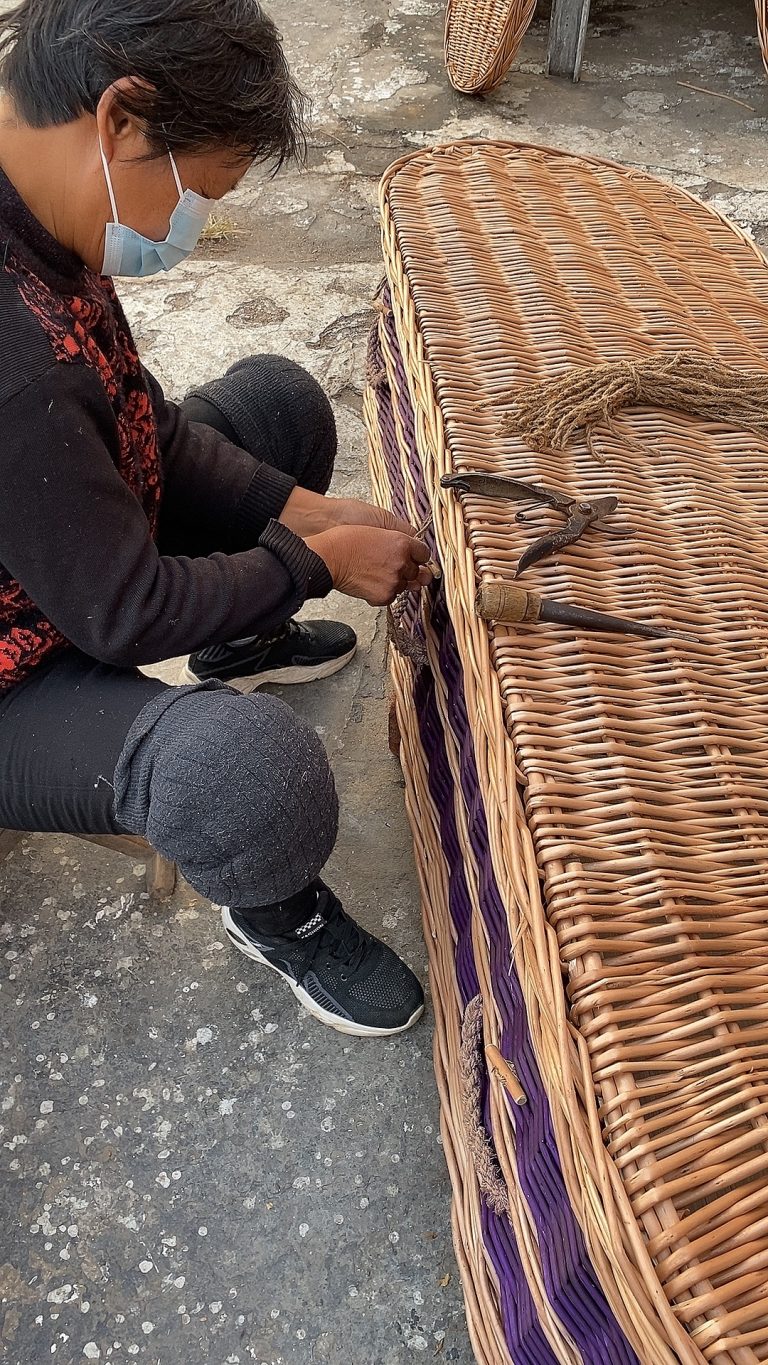
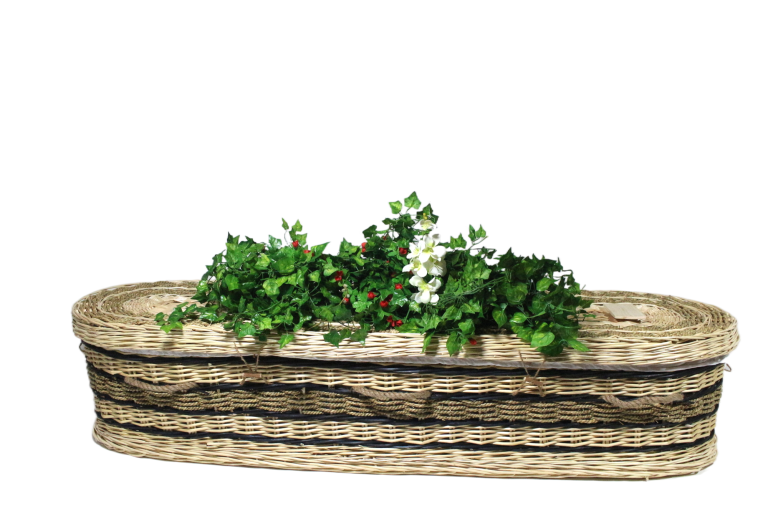
A Global Perspective on Costs and CraftsmanshipIn an age of environmental awareness, wicker coffins—woven from natural materials like willow , rattan, or seagrass—have surged in popularity for eco-friendly burials and cremations. These biodegradable alternatives decompose naturally, minimizing ecological impact compared to traditional metal or hardwood caskets. Yet, many perceive them as prohibitively expensive, with prices…
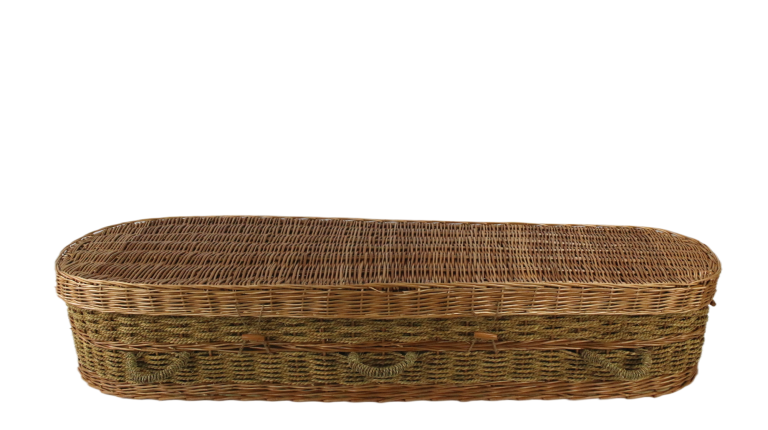
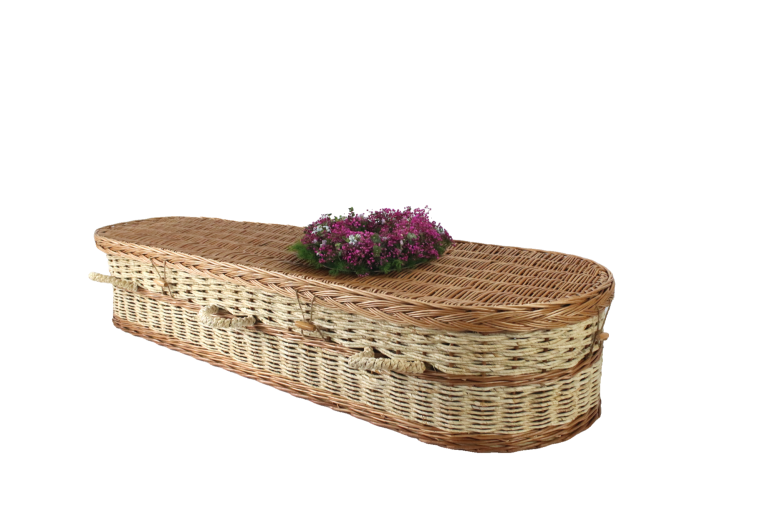
Choosing an Eco-Friendly Woven Coffin: A Global Perspective

Choosing an Eco-Friendly Woven Coffin: A Global Perspective

In an era of increasing environmental awareness, the choice of a coffin has become a profound statement of one’s ecological values. woven coffins, typically crafted from sustainable materials like bamboo, willow , or other natural fibers, represent a growing global trend towards green funerals. This shift responds to the alarming environmental cost of traditional burials:…

Can Woven Biodegradable Coffins Be Customized?

Can Woven Biodegradable Coffins Be Customized?

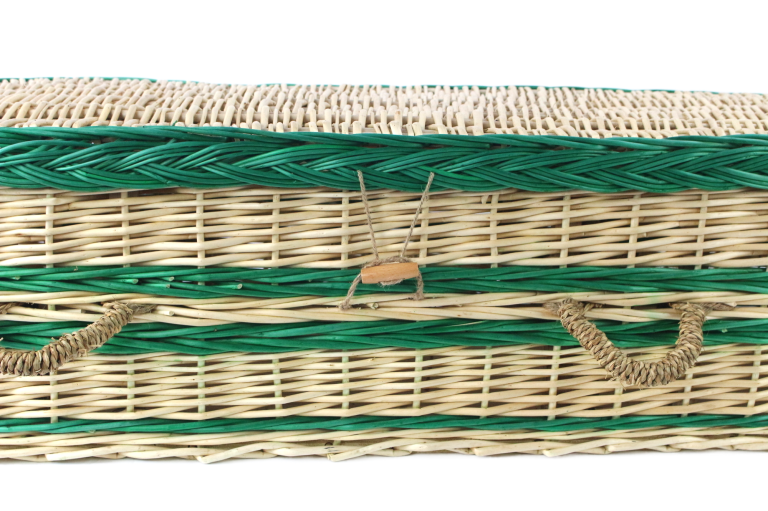
A Global Perspective Highlighting China’s Linshu FactoriesWoven biodegradable coffins, crafted from sustainable materials like willow , bamboo, rattan, or seagrass, offer an eco-friendly alternative to traditional caskets, decomposing naturally to minimize environmental impact. us-funerals.com As green burials rise worldwide, a key question emerges: Can these coffins be customized? The answer is a resounding yes. Customization…

Natural Burial: A Way of Resting in Harmony with the Earth

Natural Burial: A Way of Resting in Harmony with the Earth

Definition of natural burial natural burial, also known as green burial or eco-burial, is an environmentally friendly burial method designed to allow the deceased to return to nature in the most natural way. It avoids the use of chemical preservatives, non-biodegradable coffins, or concrete tombstones, emphasizing reduced environmental burden and integration into the natural cycle….

Global Importance of the Biodegradable Woven Coffins Market

Global Importance of the Biodegradable Woven Coffins Market

In an increasingly eco-conscious world, the biodegradable woven coffins market stands as a pivotal segment within the broader funeral industry, symbolizing a shift toward sustainable end-of-life practices. These coffins, typically crafted from natural materials like willow , rattan, or seagrass, decompose harmlessly in soil, reducing environmental footprints compared to traditional metal or hardwood caskets that…

The Rise of Willow Coffins: A Global Eco-Friendly Trend Rooted in China’s Linshu Factories

The Rise of Willow Coffins: A Global Eco-Friendly Trend Rooted in China’s Linshu Factories

In an era where environmental consciousness shapes every aspect of life, even death is undergoing a green transformation. willow coffins, handwoven from the flexible branches of willow trees, represent a sustainable alternative to traditional wooden or metal caskets. These biodegradable vessels not only decompose naturally, returning to the earth without leaving harmful residues, but also…

Australian Outback Willow: Drought-Resistant Weaving for Green Funerals

Australian Outback Willow: Drought-Resistant Weaving for Green Funerals

In the vast, sun-scorched landscapes of the Australian Outback, where drought resilience defines survival, a unique synergy of traditional wisdom and ecological innovation is reshaping funeral practices. The use of native, drought-resistant willow species—and analogous hardy plants—in weaving eco-caskets embodies a global shift towards sustainable death care, merging Indigenous knowledge with contemporary environmental stewardship. Australia’s…

Willow coffins are being more popular for a funeral

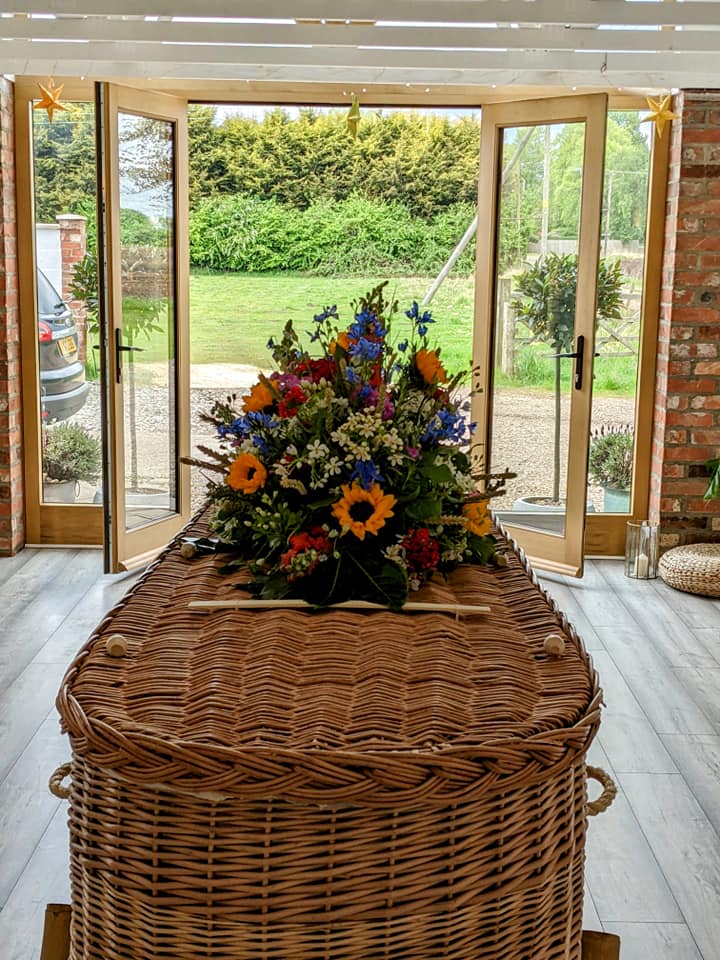
Recently, more and more people have become interested in eco-friendly funeral options rather than traditional ones. One example of this is the popularity of wicker coffins, also referred to as willow caskets. Not only are these coffins sustainable due to their biodegradable materials, but they also provide a natural and aesthetically pleasing appearance that continues…

Low-Carbon Funeral Processes: Reimagining the Farewell Ceremony in the Name of Carbon Reduction

In traditional funeral processes, from transporting the body to cremation and burial, every step carries hidden energy consumption and pollution risks. Innovations in low-carbon funeral processes are transforming “farewell” into a gentle tribute to nature through comprehensive optimization. Body handling is central to carbon reduction. Traditional cremation consumes 15-30 liters of diesel per body and…