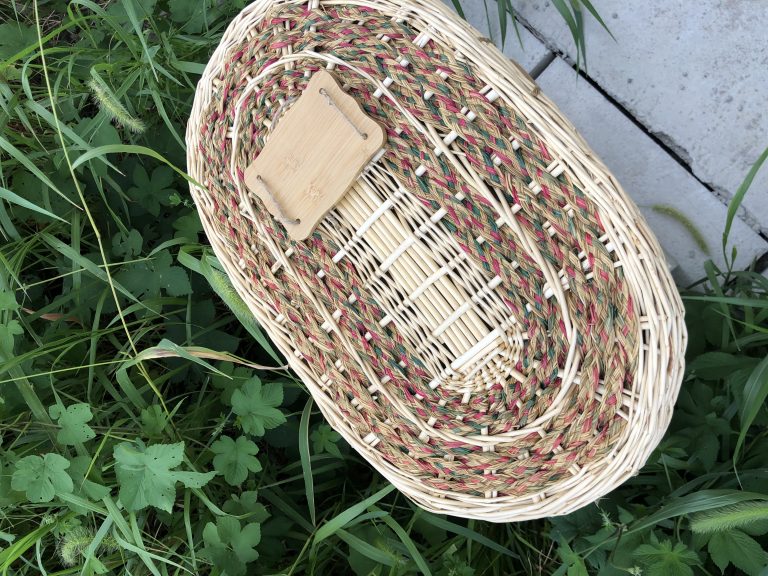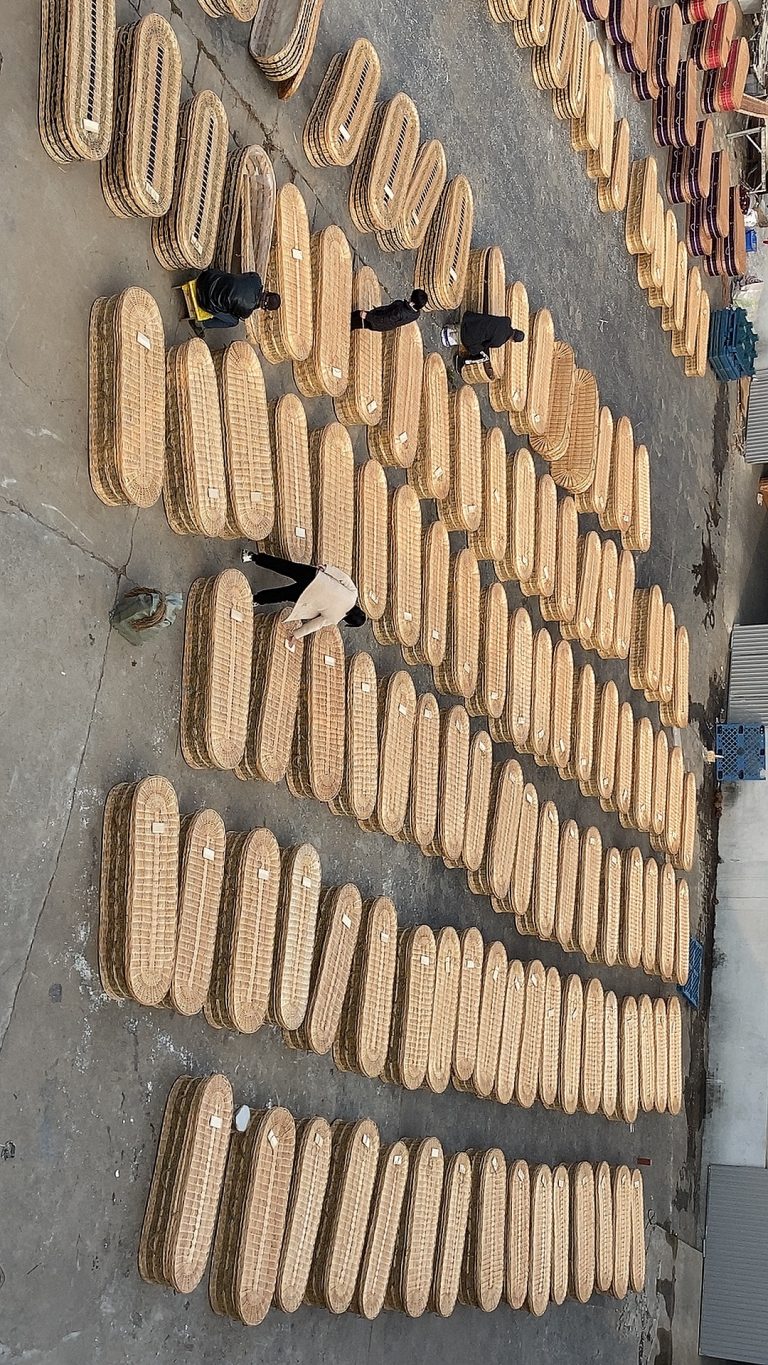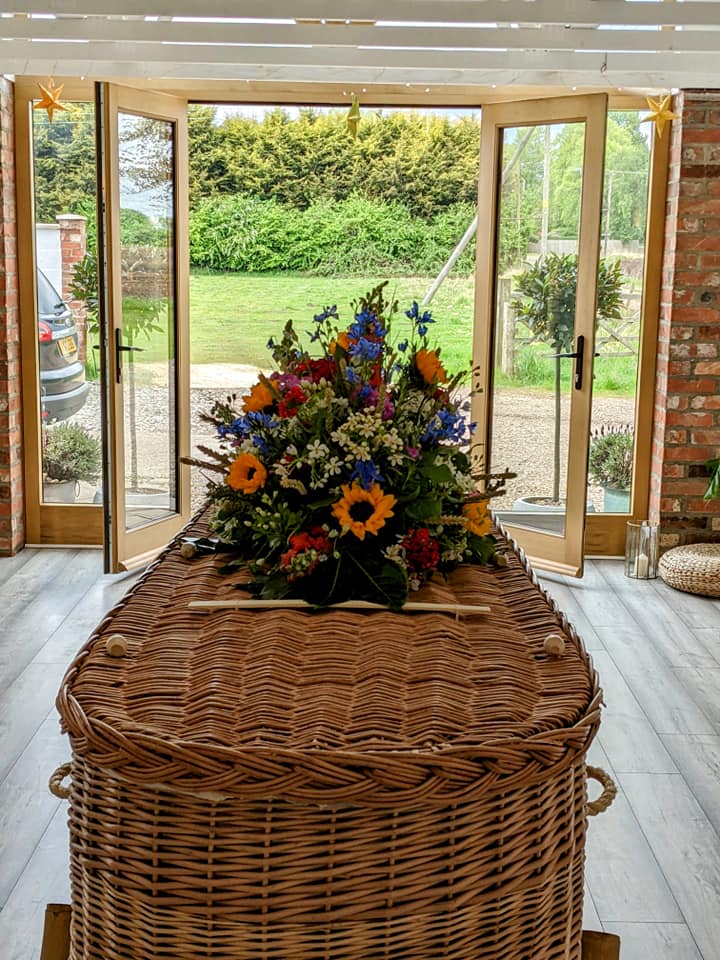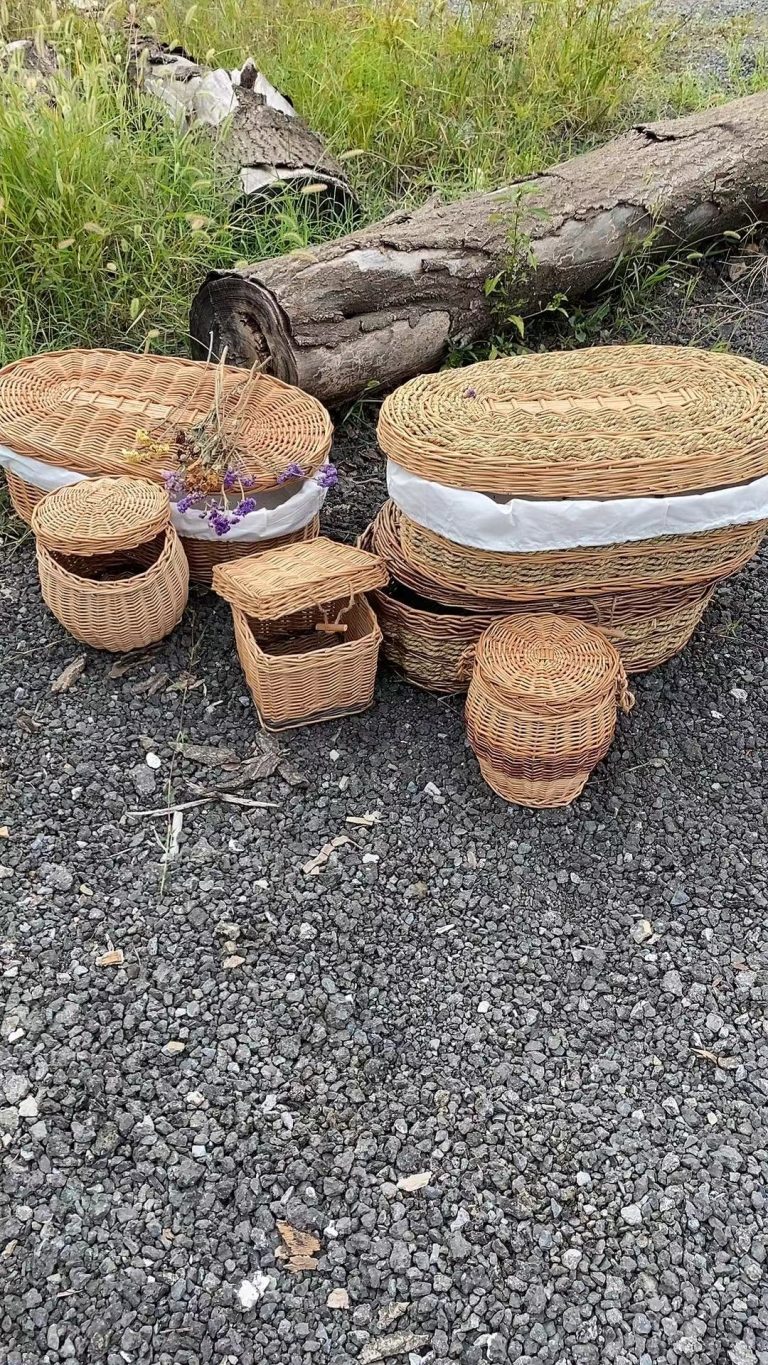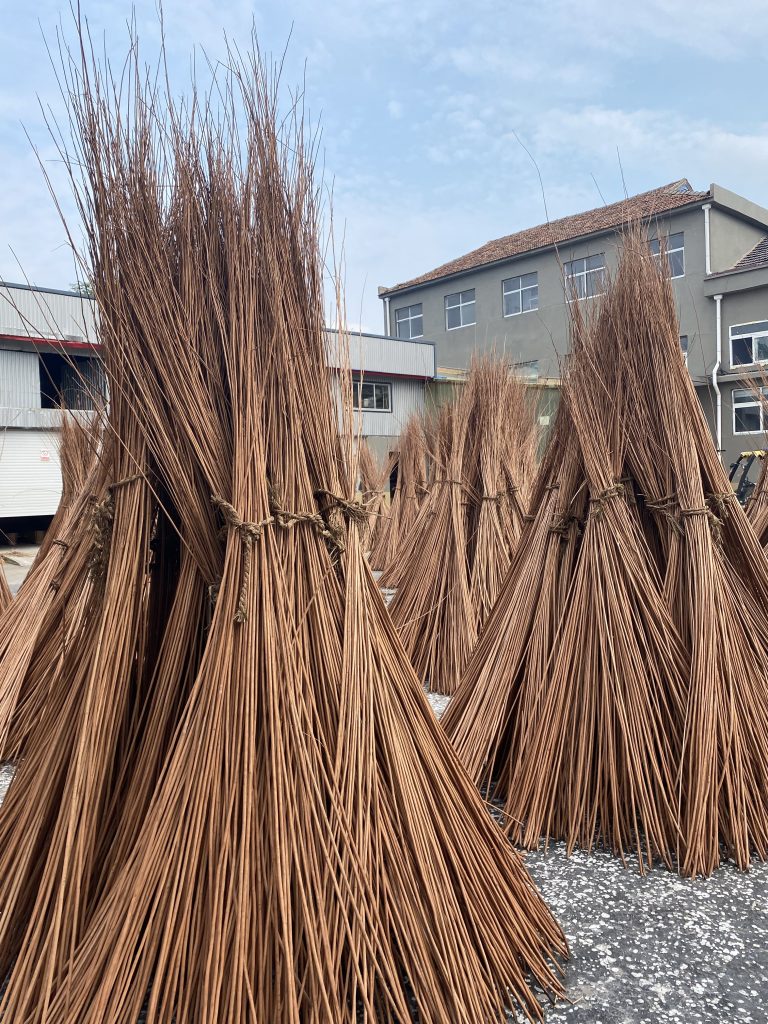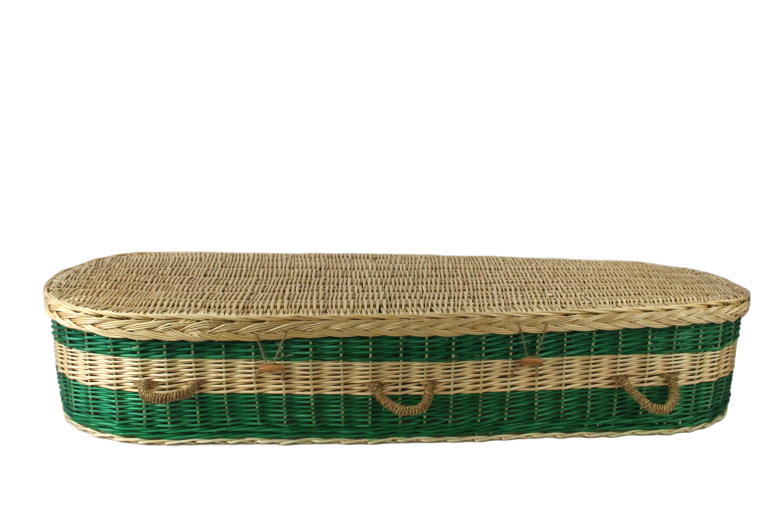
In the heart of Shandong Province, China, Linshu County has emerged as a global leader in the production of woven coffins, blending traditional craftsmanship with modern sustainability. Known for its abundant willow resources and skilled artisans, Linshu’s factories specialize in creating eco-friendly burial options that address growing concerns over environmental degradation. These woven coffins, often made from natural materials like willow , bamboo, rattan, or even corn stalks, represent a shift toward “green burials” – a practice that minimizes ecological harm while honoring the deceased. As climate change intensifies, the factories in Linshu are at the forefront of providing alternatives to conventional coffins, which often contribute to deforestation and pollution. This article explores the key environmental advantages of these innovative products, highlighting how they promote sustainability from production to decomposition.One of the primary environmental benefits lies in the use of renewable and biodegradable materials. Linshu’s woven coffins are crafted from fast-growing plants such as willow and bamboo, which are harvested sustainably without depleting forests.
lantianbasket.com
willow , in particular, thrives in marginal lands and regenerates quickly, often within a year, making it an ideal resource for eco-conscious manufacturing.
lantianbasket.com
Unlike traditional wooden coffins that require mature trees and lead to significant deforestation, these materials reduce the pressure on old-growth forests. For instance, bamboo and rattan are abundant in the region and can be sourced locally, cutting down on transportation emissions. Factories in Linshu emphasize ethical harvesting practices, ensuring that the ecosystem remains balanced. This approach not only preserves biodiversity but also supports local economies by creating jobs in sustainable agriculture and weaving.Another significant advantage is the complete biodegradability of these coffins, which ensures a minimal long-term environmental footprint. Woven from natural fibers without metal fittings, plastic, or toxic glues, they decompose naturally in the soil within 6 to 24 months.
phoenixnestcoffins.com
This process enriches the earth with organic matter, acting as a natural fertilizer rather than releasing harmful chemicals, as is common with metal or fiberglass caskets.
phoenixnestcoffins.com
Traditional coffins, often lined with non-degradable materials, can leach toxins into groundwater and contribute to soil contamination over time. In contrast, Linshu’s products break down gently, nourishing the surrounding ecosystem and aligning perfectly with natural burial sites where no embalming fluids are used.
natural-burial-grounds.co.uk
This biodegradability is especially appealing in regions promoting green funerals, where the goal is to return the body to nature without artificial barriers.The manufacturing process itself underscores Linshu’s commitment to low-carbon operations. Factories prioritize energy-efficient techniques, such as hand-weaving and minimal machinery, which reduce industrial emissions compared to the resource-intensive production of metal coffins.
blog.sevenponds.com
By using locally sourced materials, transportation costs and associated carbon footprints are minimized. Additionally, some factories incorporate recycled elements like hemp or paper, further diverting waste from landfills.
phoenixnestcoffins.com
This closed-loop system not only lowers greenhouse gas emissions but also conserves water and energy. In a global context, Linshu’s leadership in sustainable coffin production has influenced international markets, with exports to Europe and North America where eco-friendly burials are gaining traction.
voanews.com
Trade fairs and industry reports highlight how these woven alternatives are part of a broader trend toward environmentally responsible end-of-life choices.Beyond immediate benefits, the woven coffins from Linshu contribute to long-term ecological restoration. By encouraging the cultivation of willow and bamboo, factories help combat soil erosion and improve air quality, as these plants are excellent at carbon sequestration.
lantianbasket.com
willow plantations in the county absorb CO2 at a rapid rate, offsetting emissions from other sectors. This holistic approach positions Linshu as a model for sustainable industry, where economic growth aligns with planetary health.In conclusion, the woven coffin source factories in Linshu County offer compelling environmental advantages through renewable materials, rapid biodegradability, and low-impact production. As global awareness of sustainability grows, these factories not only reduce waste and pollution but also inspire a cultural shift toward greener farewells. With ongoing innovations, Linshu is poised to lead the funeral industry into a more eco-friendly future, proving that tradition and environmental stewardship can coexist harmoniously. (Word count: 612)
We are a factory supporting eco friendly green funeral(natural willow coffins\bamboo caskets and so on) .. for detail please contact us www.phoenixnestcoffins.com;
Phoenix Nest ( Shandong ) Crafts Co.,Ltd.
Whatsapp: +86-18265103836 (Whatsapp & Wechat & Tel)
Email: jason@phoenxinestcoffin.cn
#willow coffin#greencoffins#bamboocaskets#urns#naturalcoffins#chinafactory#scattertube#naturalburial#FuneralSupplies#cross#flowerbands#shrouds #carrierfuneral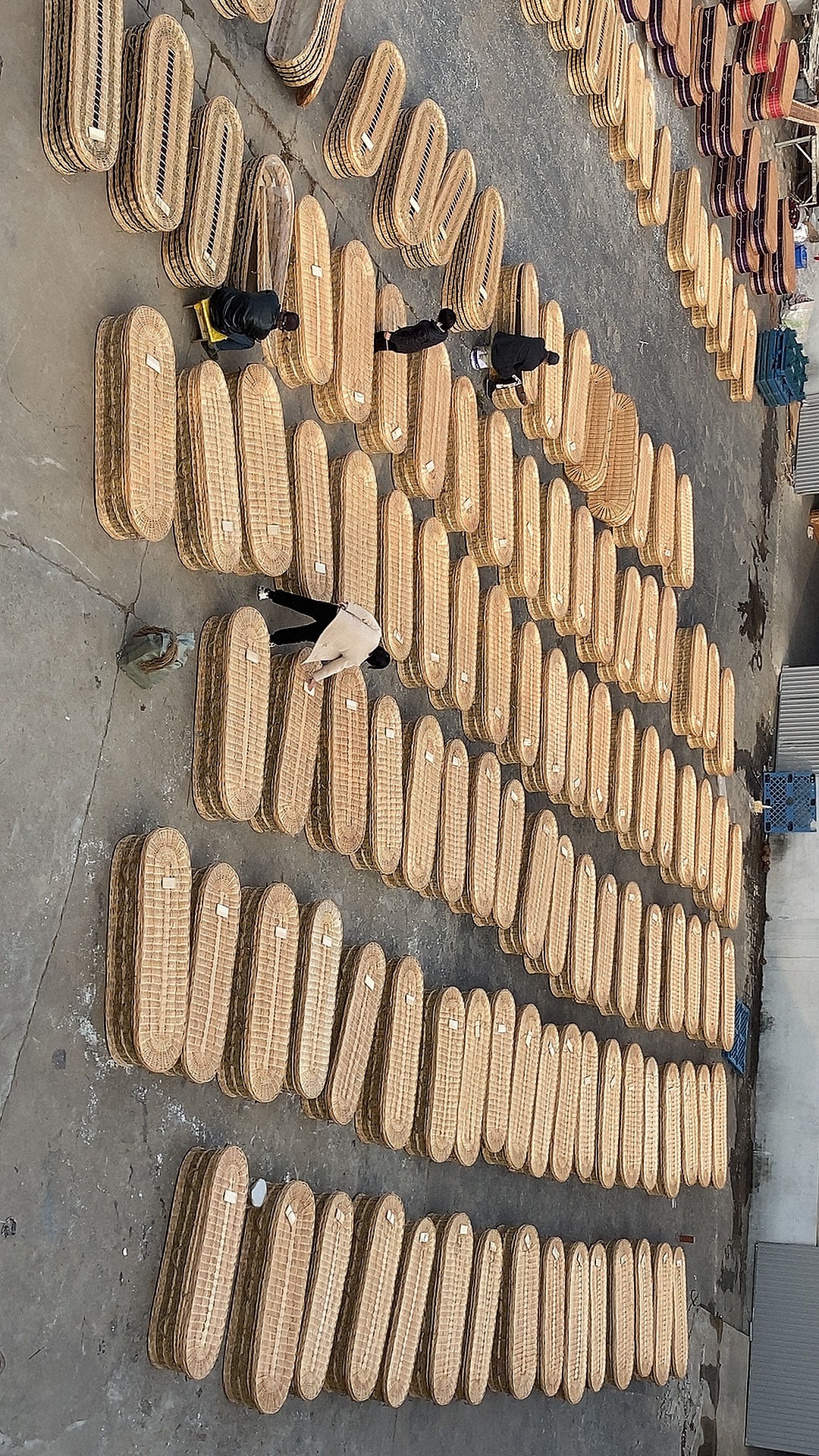 In the heart of China’s Shandong Province lies Linshu County, a renowned hub for traditional craftsmanship and the primary source factory for high-quality wicker woven coffins#phoenixnestcoffins #wovencoffins#willow coffins#wicker caskets@everyone@followers