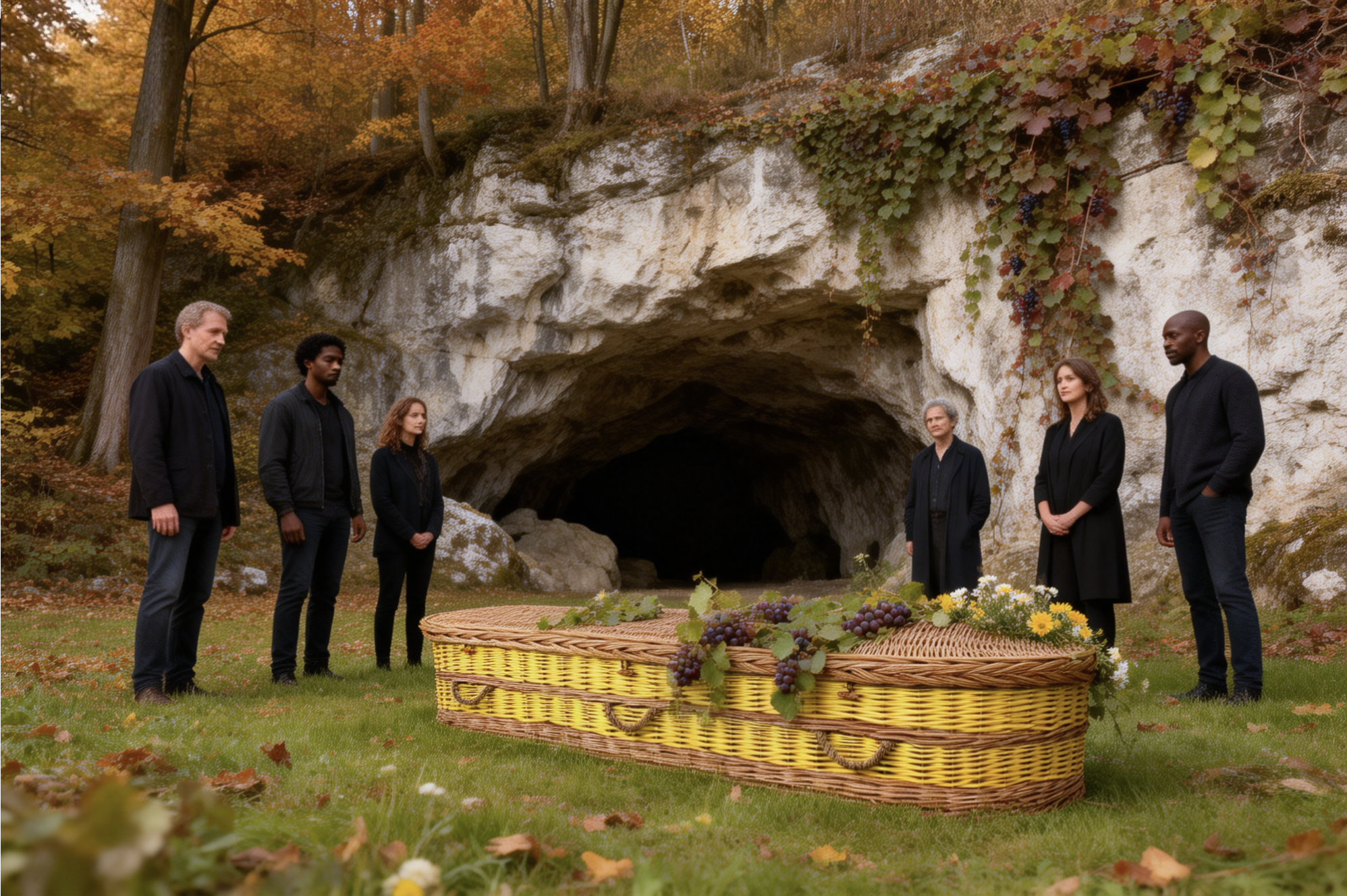
In Belgium, the final act of life is undergoing a profound and gentle transformation. A powerful combination of stringent environmental policies and a significant shift in public consciousness is making green funerals not just an alternative, but a preferred choice for many families. At the heart of this movement lies the search for a truly natural return, a demand perfectly met by biodegradable, chemical-free burial solutions like handwoven coffins.
The drive for sustainability is actively shaped by policy. Municipal initiatives, such as those in Brussels, explicitly encourage natural practices by banning artificial plastic or paper flowers in cemeteries and providing free, locally-grown flowers for graves. This philosophy extends to burial itself, with designated plots for ecological urns designed to degrade and nourish the soil. Parallel to this, innovative European companies are redefining materials, creating urns from recycled ocean plastic and even “living” coffins from mushroom mycelium that decompose within weeks. These developments highlight a continent-wide move towards closing the loop in the funeral industry.
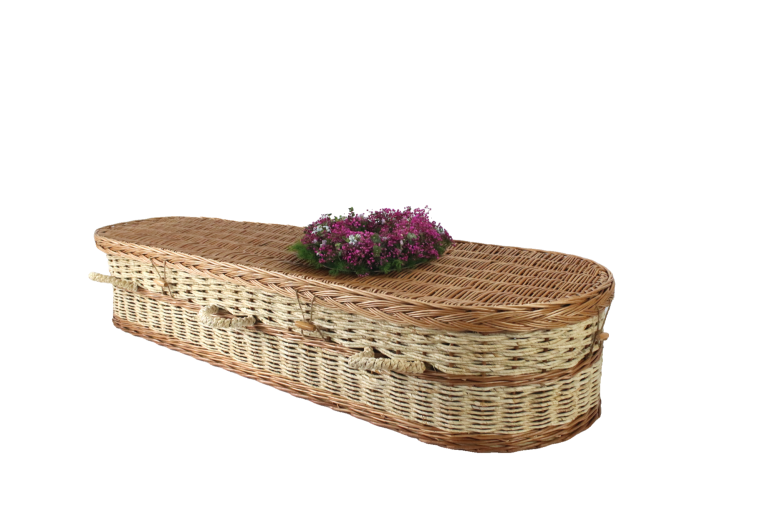
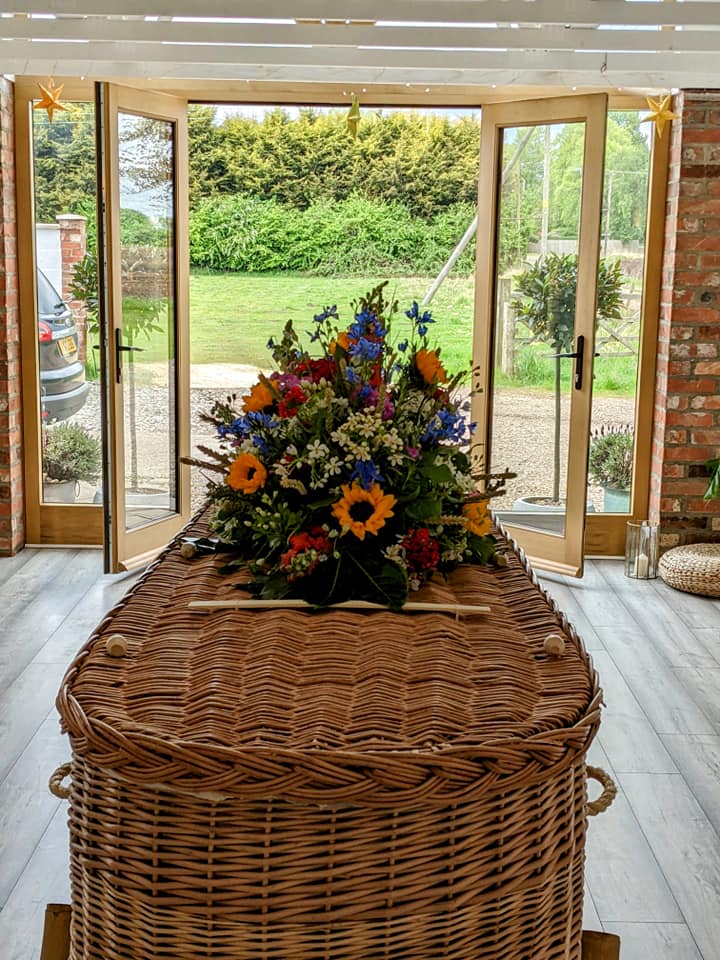
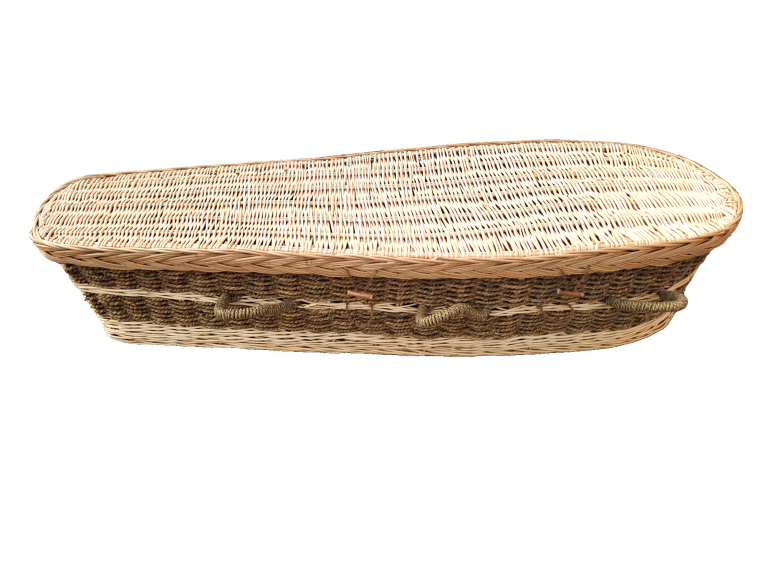
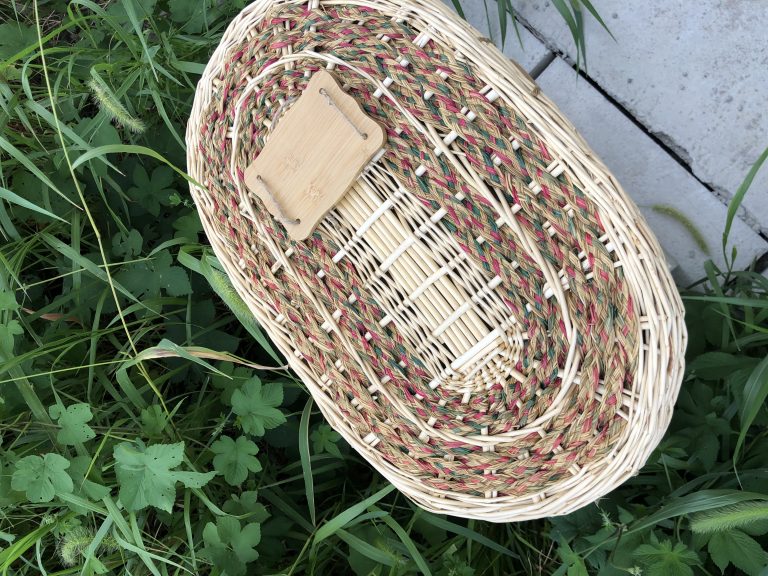
It is within this context that the artisanal, handwoven coffin finds its powerful resonance. Moving beyond traditional wooden caskets that involve resource-intensive logging and chemical treatments, these coffins offer a purer path. Crafted from natural willow , bamboo, or seagrass, they contain no synthetic varnishes, metals, or plastics. After burial, they decompose gracefully, actively enriching the earth and allowing the body to merge with the ecosystem without polluting it. For the Belgian consumer, who increasingly views the funeral as a final act of environmental stewardship, this represents the ideal of a “natural farewell”—a respectful, circular, and tender return to the earth.
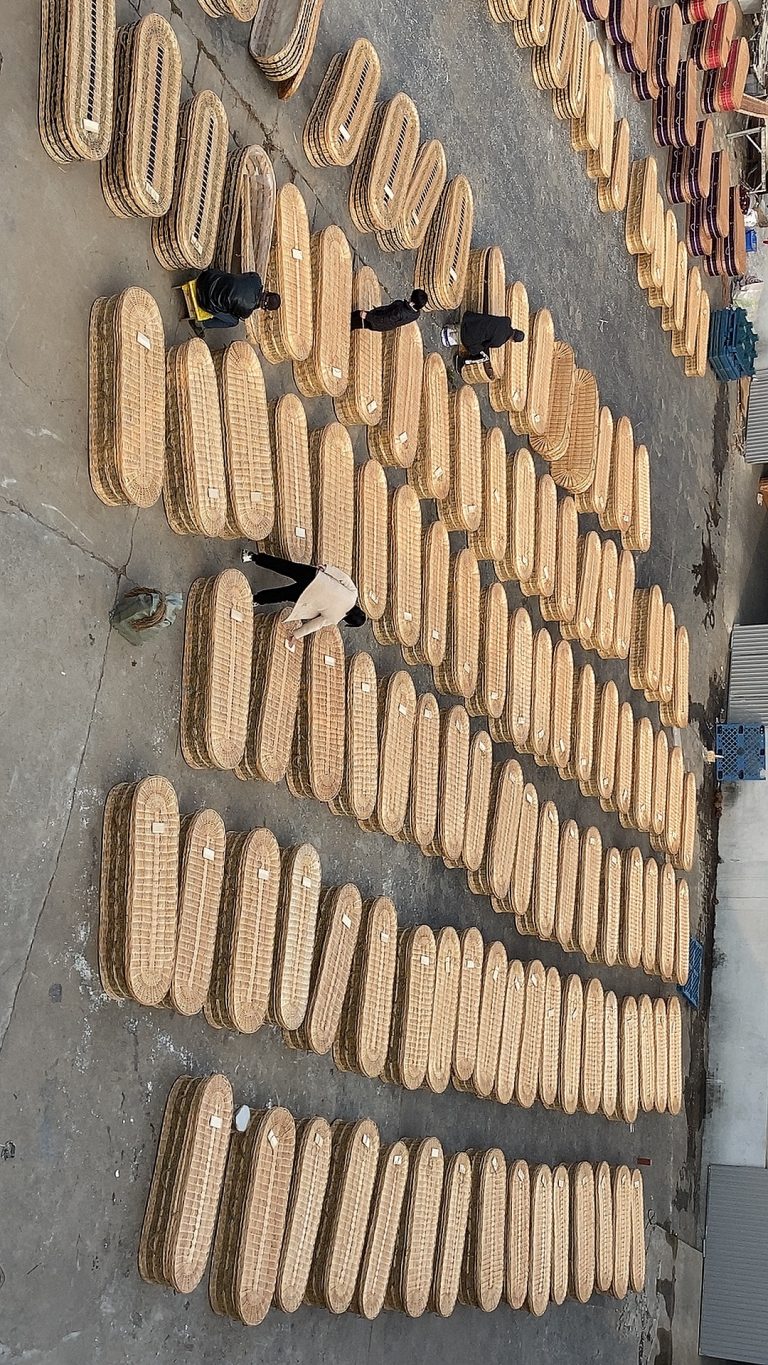
To meet this growing demand for quality and authenticity, leading providers turn to a centuries-old craft hub: Linyi City in China’s Shandong Province. Renowned as a center for willow weaving, Linyi is home to specialized manufacturers like Roconly (Linyi) Craft Co., Ltd., which have perfected the sustainable production of handwoven caskets. These companies often operate on a “company + base + farmers” model, integrating traditional artisan skills with modern export standards. This ensures not only a high-quality, fully biodegradable product but also supports rural livelihoods, adding a layer of ethical value to the supply chain. For the European market, Linyi serves as a reliable source for coffins that are both aesthetically beautiful and ecologically sound.
The Belgian funeral landscape is clearly shifting towards a greener horizon. As environmental regulations tighten and the public desire for meaningful, eco-conscious ceremonies grows, the market for natural burial products will only expand. The handwoven coffin, especially one born from the skilled hands of artisans in regions like Linyi, stands at the perfect intersection of this trend. It offers a tangible solution that honors the departed, comforts the living, and protects the planet—a final act of care that leaves a gentle, living trace.
I hope this article meets your needs. If you wish to explore specific aspects further, such as a comparative analysis of different biodegradable materials or deeper logistics for importing these products into Belgium, I can provide additional, more detailed information.
We are a factory supporting eco friendly green funeral(natural willow coffins\bamboo caskets and so on) .. for detail please contact us www.phoenixnestcoffins.com;
Phoenix Nest ( Shandong ) Crafts Co.,Ltd.
https://phoenixnestcoffins.com/
Whatsapp: +86-18265103836 (Whatsapp & Wechat & Tel)
Email: jason@phoenxinestcoffin.cn