Losing a loved one is an emotionally challenging time, and the array of practical tasks that need attention can feel overwhelming. In the United Kingdom, there are three essential practical matters that require attention within the first few days after someone passes away. This guide outlines these key steps to help families navigate this difficult period with clarity and compassion.
Table of Contents
1. Obtain the Medical Certificate
The first practical step is to obtain a medical certificate confirming the death. If the death occurred at home, you should contact the deceased’s GP or an on-call doctor, who will visit to confirm the death and issue the certificate. If the death happened in a hospital or care home, the staff will handle this process for you .
This medical certificate of cause of death is essential for the next step—registering the death. In some cases, if the death was sudden, unexplained, or occurred under specific circumstances, it may be reported to a coroner (or Procurator Fiscal in Scotland). The coroner may decide that a post-mortem is needed to determine the cause of death, which can slightly alter the process, but the medical certificate remains a prerequisite for moving forward .
2. Register the Death
Registering the death is a legal requirement in the UK and should typically be done within five days of the death (eight days in Scotland) . This is done at the register office in the district where the person died. You will need to take the medical certificate with you to the appointment .
When registering the death, the registrar will provide you with a death certificate, which you should consider getting in multiple copies for notifying various organisations later. You will also receive a Certificate for Burial or Cremation (often called the ‘green form’), which is essential for arranging the funeral . The registrar can also help you use the ‘Tell Us Once’ service, which is a valuable government service that allows you to report the death to most relevant government departments in one go, such as HM Revenue and Customs (HMRC), the Department for Work and Pensions (DWP), and the Passport Office .
3. Arrange the Funeral
Once the death has been registered, you can make funeral arrangements. The funeral usually cannot take place until the death is registered . Most people in the UK choose to use a funeral director, though it is possible to arrange a funeral yourself by contacting the Cemeteries and Crematorium Department of your local council .
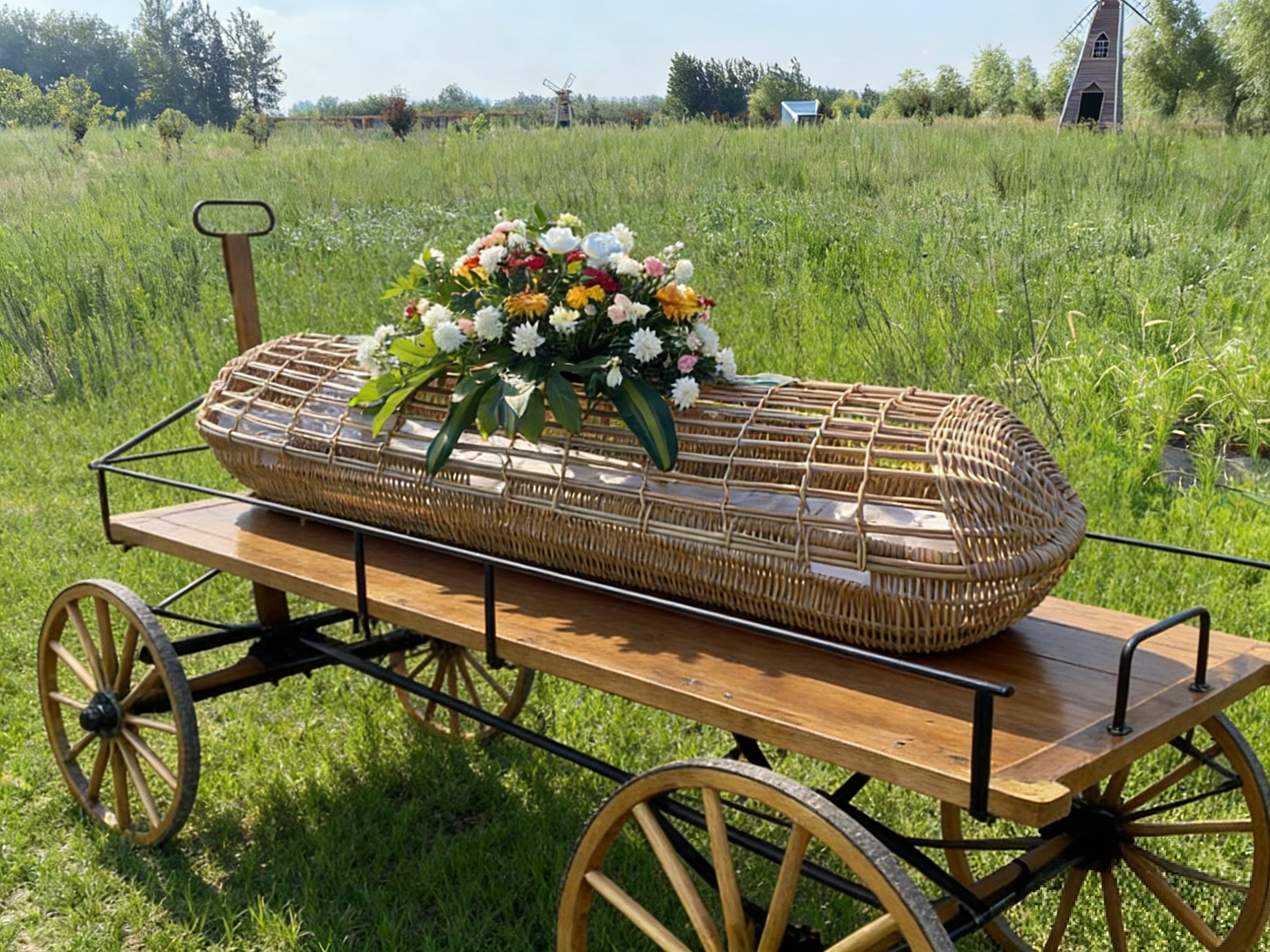
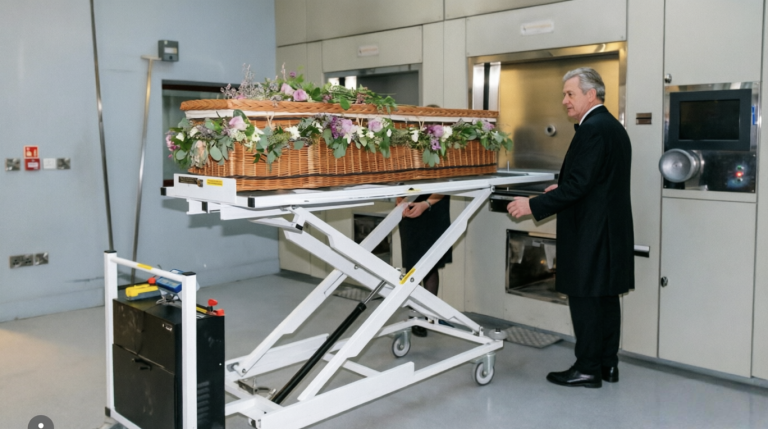
When selecting a funeral director, it is advisable to choose one who is a member of a professional body, such as the National Association of Funeral Directors (NAFD) or the Society of Allied and Independent Funeral Directors (SAIF), as these organisations have codes of practice and will provide a price list upon request . Key decisions to make include whether the disposition will be burial or cremation, the type of coffin, the location and date of the service, and any specific readings or music . Funeral costs can include the funeral director’s fees, disbursements (such as crematorium or cemetery fees), and other third-party costs, so it’s important to review quotes carefully .
A Note on Emotional Wellbeing
While addressing these practical steps, it is crucial to be kind to yourself and seek support from family, friends, or professionals. These tasks can be managed step by step, and you do not have to face them alone. Asking a family member or friend to help with some of the arrangements can ease the burden during this time of grief .
By following these three key steps—obtaining the medical certificate, registering the death, and arranging the funeral—you can ensure that the essential practical matters are handled respectfully and efficiently, allowing you and your family the space to grieve and remember your loved one.