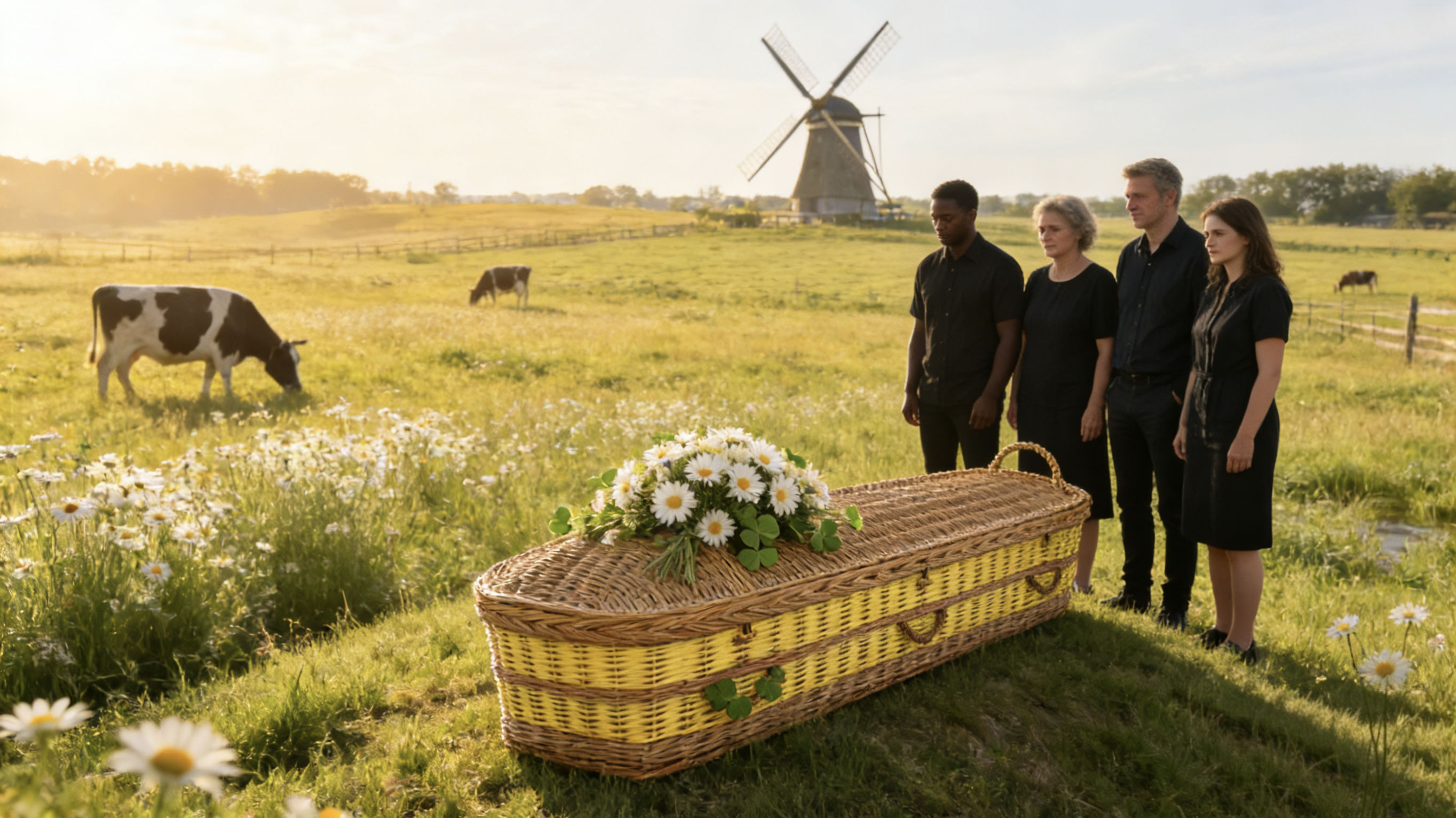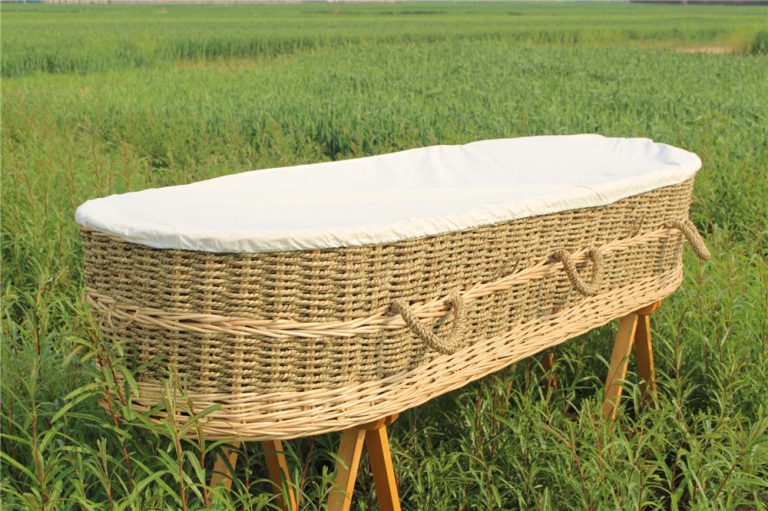
In the heart of Europe, Belgium is leading a quiet revolution in how we say goodbye to our loved ones. With stringent environmental policies and a growing shift in consumer values toward sustainability, the green funeral trend has firmly taken root. No longer are traditional burials synonymous with resource-intensive practices; instead, natural, biodegradable options are becoming the mainstream choice. This movement aligns perfectly with Belgian families’ desire for a “natural farewell”—one that honors the deceased while nurturing the earth. At the forefront of this eco-conscious wave are innovative products like hand-woven coffins, crafted without chemical additives, designed to decompose gracefully and enrich the soil.
Belgium’s environmental landscape has been shaped by rigorous regulations aimed at reducing carbon footprints and preserving natural resources. The European Union’s Green Deal, which Belgium actively supports, emphasizes circular economies and waste reduction. In the funeral industry, this translates to bans on non-biodegradable materials in certain cemeteries and incentives for eco-friendly alternatives. For instance, Flanders and Wallonia have implemented policies promoting green burials, where embalming fluids and synthetic caskets are discouraged. These measures aren’t just bureaucratic; they’re a response to public demand. A recent survey by the Belgian Federation of Funeral Directors revealed that over 60% of respondents prioritize sustainability in end-of-life planning, up from 35% a decade ago. Consumers are increasingly aware of the environmental toll of conventional funerals—think of the deforestation for wooden caskets or the pollution from cremations. This ideological upgrade is driving a market projected to grow by 15% annually in Belgium, as families seek ways to align their final acts with their lifelong values of environmental stewardship.
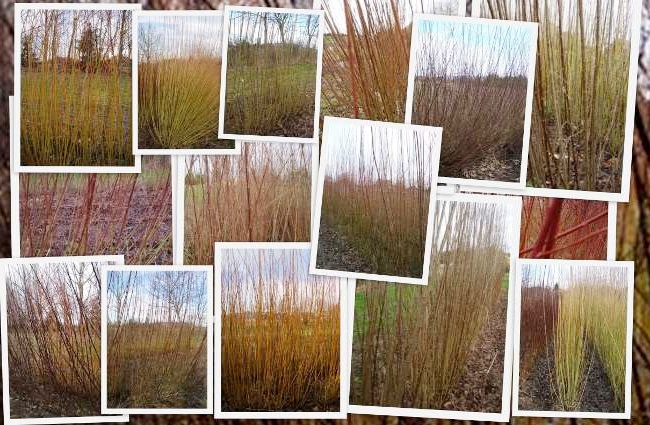
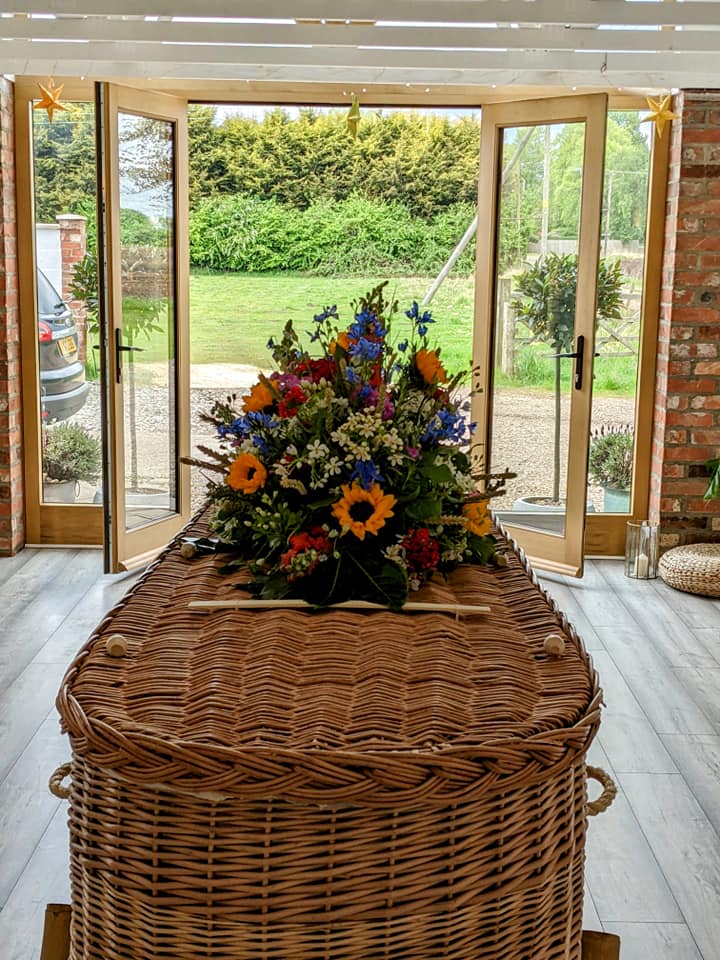
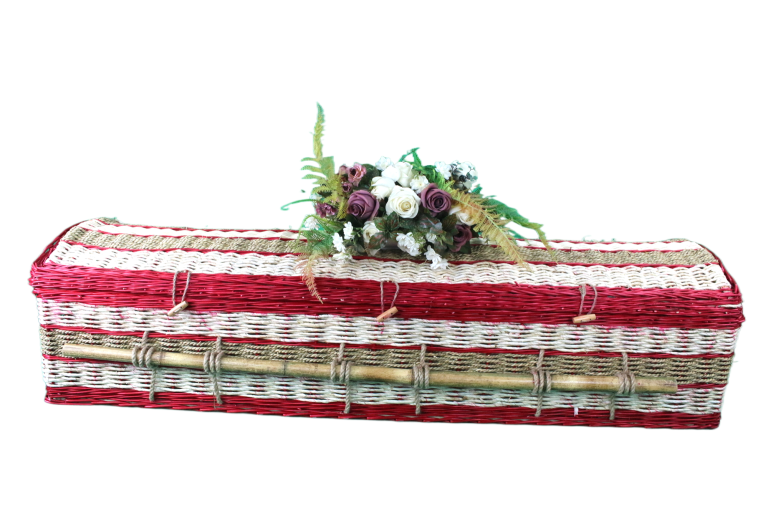
Enter the hand-woven coffin: a symbol of purity and renewal. Made from natural materials like willow , these coffins embody simplicity and respect for nature. Unlike mass-produced alternatives laden with glues, varnishes, and metals, our hand-woven designs use zero chemical additives. The weaving process draws on ancient craftsmanship, creating sturdy yet lightweight structures that fully biodegrade within months to years, depending on soil conditions. As they break down, they release nutrients back into the earth, fostering plant growth and contributing to biodiversity. This isn’t just functional—it’s poetic. Imagine a loved one’s resting place becoming a thriving garden, a living memorial that sustains life rather than burdening it. In Belgium, where urban green spaces are cherished and rural traditions endure, these coffins resonate deeply. They fit seamlessly into natural burial grounds, such as those in the Ardennes forests or along the North Sea coast, where regulations ensure minimal environmental impact.
The origins of these exquisite willow –woven coffins trace back to specialized source factories in Linyi, China—a region renowned for its willow craftsmanship. Linyi, in Shandong Province, is the global hub for willow weaving, with factories that have honed techniques passed down through generations. These facilities emphasize sustainable harvesting, ensuring willow is grown regeneratively without depleting resources. Our partnership with Linyi’s leading willow -woven coffin manufacturers guarantees authenticity and quality. Skilled artisans handcraft each piece, using flexible willow branches that are naturally pest-resistant and abundant. This cross-cultural collaboration brings the best of Eastern tradition to Western markets, making high-quality, eco-friendly options accessible. By sourcing from Linyi, we not only support ethical labor practices but also reduce transportation emissions through efficient supply chains. Belgian importers have noted a surge in demand, with these coffins featured in eco-funeral expos in Brussels and Ghent.
Beyond the practical benefits, adopting green funerals fosters emotional healing. Families report a sense of peace knowing their choices contribute positively to the planet. In a time when climate anxiety looms large, a natural farewell offers closure that’s both personal and planetary. Hashtags like #BelgiumGreenFuneral, #NaturalWovencoffin, and #GreenFarewell are buzzing on social media, sharing stories of serene ceremonies under open skies. As Belgium continues to pioneer sustainable living—from renewable energy to zero-waste initiatives—the funeral sector is no exception.In conclusion, the green funeral wind has indeed arrived in Belgium, propelled by policy and passion. Our hand-woven coffins, rooted in Linyi’s masterful craftsmanship, stand as a testament to this shift. They offer a dignified, chemical-free path to decomposition that nourishes the soil and honors the cycle of life. For Belgian families pursuing a “natural farewell,” these products aren’t just alternatives—they’re the future. As we embrace this trend, we’re not only burying the past but planting seeds for a greener tomorrow.
We are a factory supporting eco friendly green funeral(natural willow coffins\bamboo caskets and so on) .. for detail please contact us www.phoenixnestcoffins.com;
Phoenix Nest ( Shandong ) Crafts Co.,Ltd.
https://phoenixnestcoffins.com/
Whatsapp: +86-18265103836 (Whatsapp & Wechat & Tel)
Email: jason@phoenxinestcoffin.cn