green funerals, also known as natural or eco-friendly burials, prioritize minimal environmental impact through biodegradable materials, avoidance of embalming chemicals, and natural decomposition to nourish the earth. These practices resonate deeply with religions emphasizing stewardship, simplicity, and harmony with nature. Amid global climate concerns, green funerals are projected to grow, with the sustainable funeral market reaching USD 1.2 billion by 2030, driven by eco-conscious consumers across continents.
greenburialcouncil.org
This article explores religions whose ideologies most align with such practices, illustrated by global examples, highlighting how faith intersects with planetary care.Judaism stands out for its inherent compatibility with green burials, rooted in the principle of returning to dust (Genesis 3:19) and tikkun olam (repairing the world). Traditional Jewish funerals eschew embalming and favor simple, biodegradable wooden caskets, allowing rapid decomposition—mirroring green burial ethos.
reformjudaism.org +2
In the U.S. and Israel, Jewish communities increasingly opt for conservation cemeteries, where bodies are shrouded in natural fabrics and buried without vaults, preserving ecosystems. For instance, Gan Yarok in California integrates Jewish rites with habitat restoration, planting native species over graves to combat deforestation.
cremation.green
This alignment extends globally, as seen in European Jewish green initiatives amid rising environmental awareness.Islam’s environmental ideology, emphasizing khalifah (stewardship of Earth), aligns seamlessly with green funerals. Islamic burials prohibit embalming and cremation, using simple cotton shrouds for direct earth interment, ensuring natural decay without pollution.
americamagazine.org
In regions like the Middle East and Indonesia, traditional practices inherently eco-friendly, such as burying in unmarked graves to minimize land use, echo green principles. A notable example is Malaysia’s eco-cemeteries, where Muslims incorporate biodegradable markers and tree-planting, blending faith with biodiversity conservation amid urbanization pressures.
serenityridgemd.com
This fosters sustainability in densely populated areas, reducing carbon footprints from conventional funerals.Christianity, particularly Catholicism, promotes green burials through its doctrine of caring for creation, as outlined in Pope Francis’ Laudato Si’ encyclical.
uscatholic.org +2
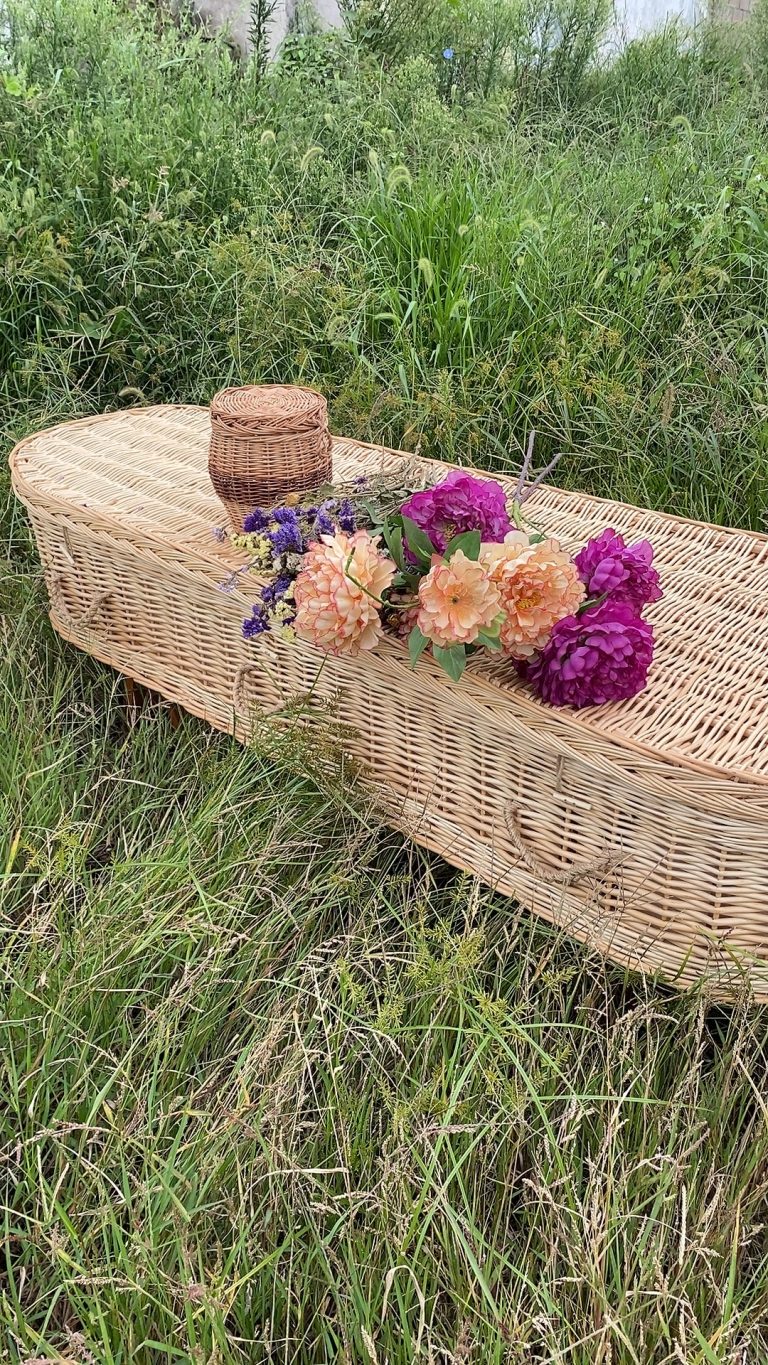
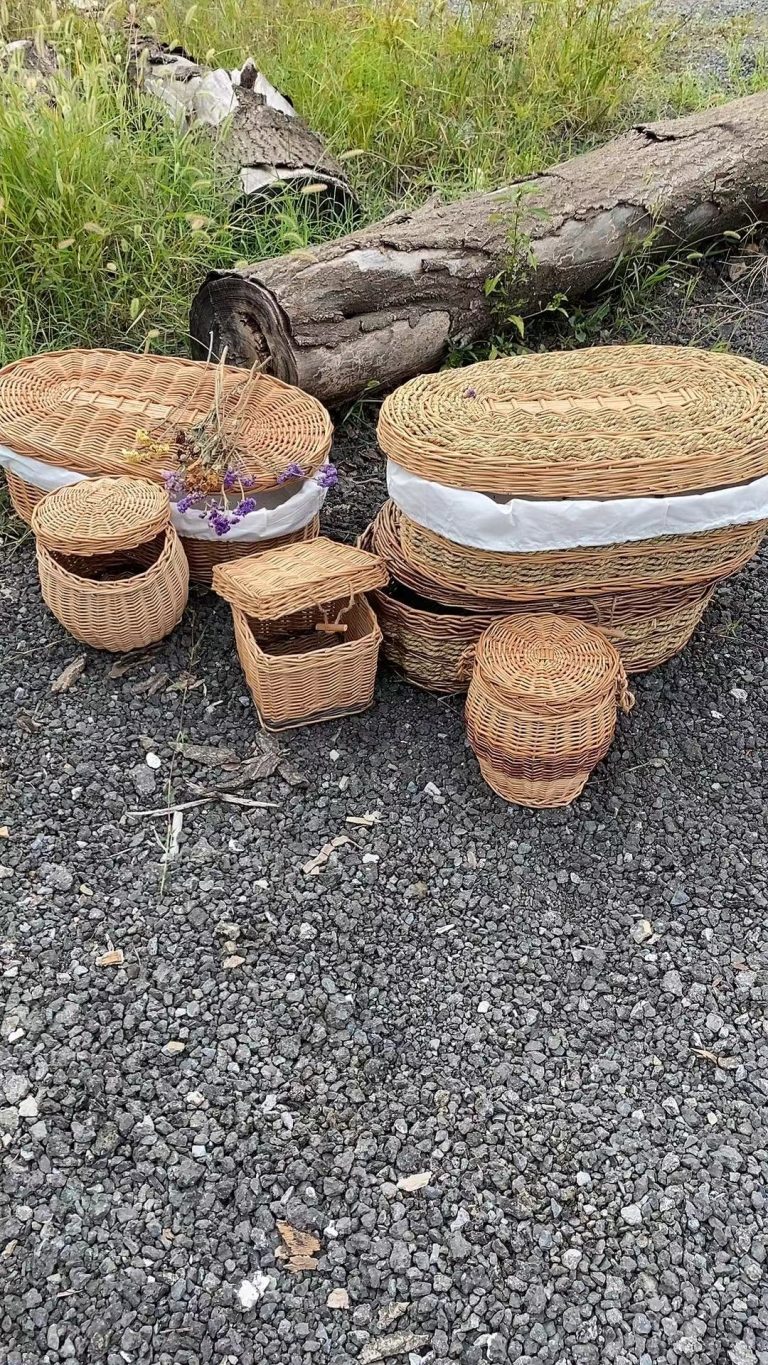
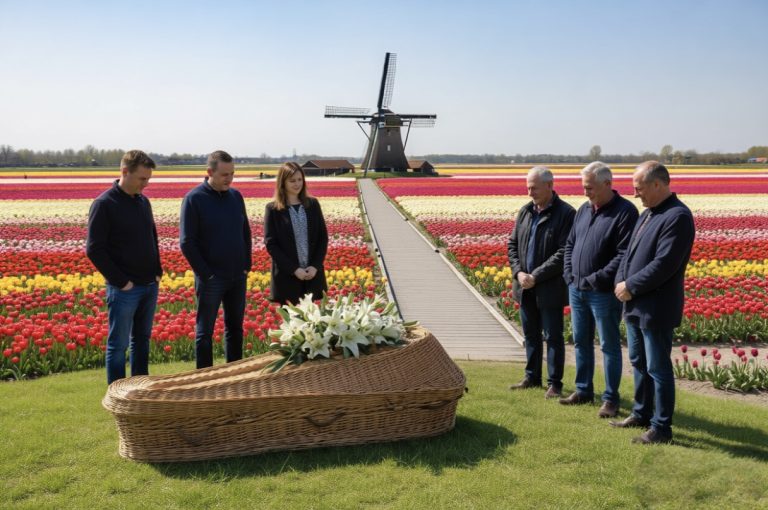
About 12% of U.S. green cemeteries are Catholic, using wicker or pine caskets in natural settings without chemicals.
greenburialnaturally.org
In Europe and North America, examples include St. Francis Catholic Cemetery in the U.S., where burials support wildlife habitats, and Black churches integrating green practices with ecological justice, such as community tree memorials.
dukedivinity.medium.com
Globally, Latin American Christians adopt similar approaches in rainforest preserves, aligning resurrection beliefs with earth renewal.Buddhism’s emphasis on impermanence, compassion, and non-harm (ahimsa) makes it highly attuned to green funerals. Tibetan sky burials, where bodies feed vultures, exemplify zero-waste ecology, sustaining ecosystems while symbolizing life’s cycle.
earthfuneral.com +1
In Japan, “tree burials” at Shōunji Temple plant saplings over cremated remains, promoting forest regeneration amid space shortages.
smithsonianmag.com
This practice spreads to diaspora communities in the U.S. and Australia, where biodegradable urns facilitate natural integration, reflecting Buddhist environmental ethics.Hinduism, while traditionally favoring cremation for soul liberation, shows growing alignment with green variants through its reverence for prakriti (nature). Eco-cremations using electric pyres reduce wood consumption, and some adopt natural burials symbolizing reincarnation cycles.
legacyassuranceplan.com
In India, initiatives like Mokshda Green Cremation System minimize pollution, while diaspora Hindus in the UK explore woodland burials with biodegradable elements.
researchgate.net
Paganism and indigenous traditions exhibit profound harmony, viewing Earth as sacred. Pagans often choose woodland burials with natural shrouds, ritualizing decomposition as rebirth.
llewellyn.com +2
Indigenous examples include Native American practices in the U.S., burying in sacred lands to restore balance, or Australian Aboriginal customs emphasizing land connection.
ethicianfamilycemetery.org
From a global viewpoint, green funerals bridge faiths, with Asia leading innovative adaptations like sky and tree burials, while Western countries expand conservation cemeteries.
serenityridgemd.com
Challenges persist in conservative sects, but interfaith dialogues propel adoption, fostering sustainable legacies.In conclusion, Judaism, Islam, Christianity, Buddhism, Hinduism, Paganism, and indigenous faiths align closely with green funerals, offering compassionate, earth-honoring alternatives. As environmental crises intensify, these ideologies inspire a worldwide shift toward eco-stewardship in death.
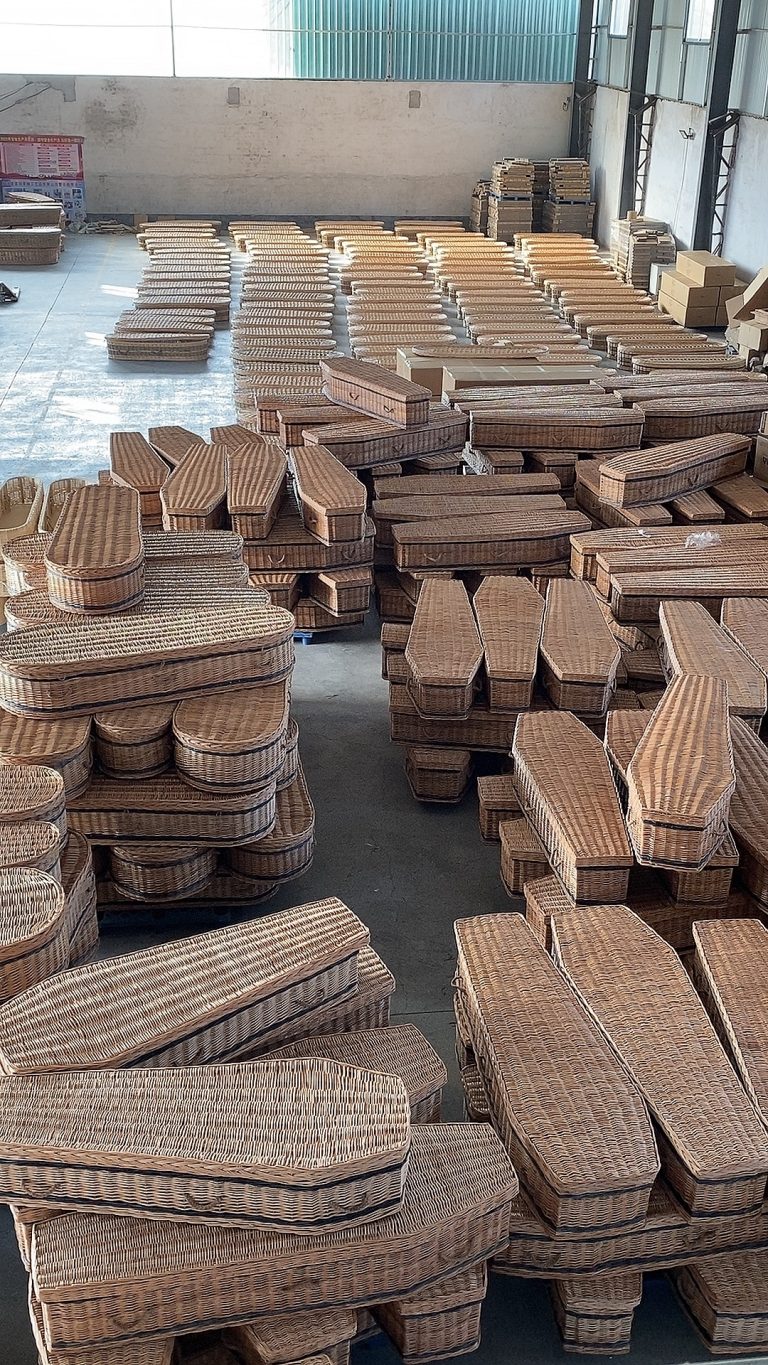
We are a factory supporting eco friendly green funeral(natural willow coffins\bamboo caskets and so on) .. for detail please contact us www.phoenixnestcoffins.com;
Phoenix Nest ( Shandong ) Crafts Co.,Ltd.
Whatsapp: +86-18265103836 (Whatsapp & Wechat & Tel)
Email: jason@phoenxinestcoffin.cn
#willow coffin#greencoffins#bamboocaskets#urns#naturalcoffins#chinafactory#scattertube#naturalburial#FuneralSupplies#cross#flowerbands#shrouds #carrierfuneral By promoting natural burial sites where bodies decompose organically, wicker coffins foster soil regeneration, turning graveyards into thriving ecosystems rather than sterile plots#phoenixnestcoffins#willow coffin #seagrasscoffins #bamboocaskets@everyone@followers