The growing global demand for eco-friendly burials, often seen as a modern environmental movement, finds deep and resonant echoes in the ancient teachings of several world religions. These traditions offer not just permission for green practices, but a profound philosophical and spiritual framework that views conscious return to the earth as a sacred duty.
Buddhism: Impermanence and Compassionate Return
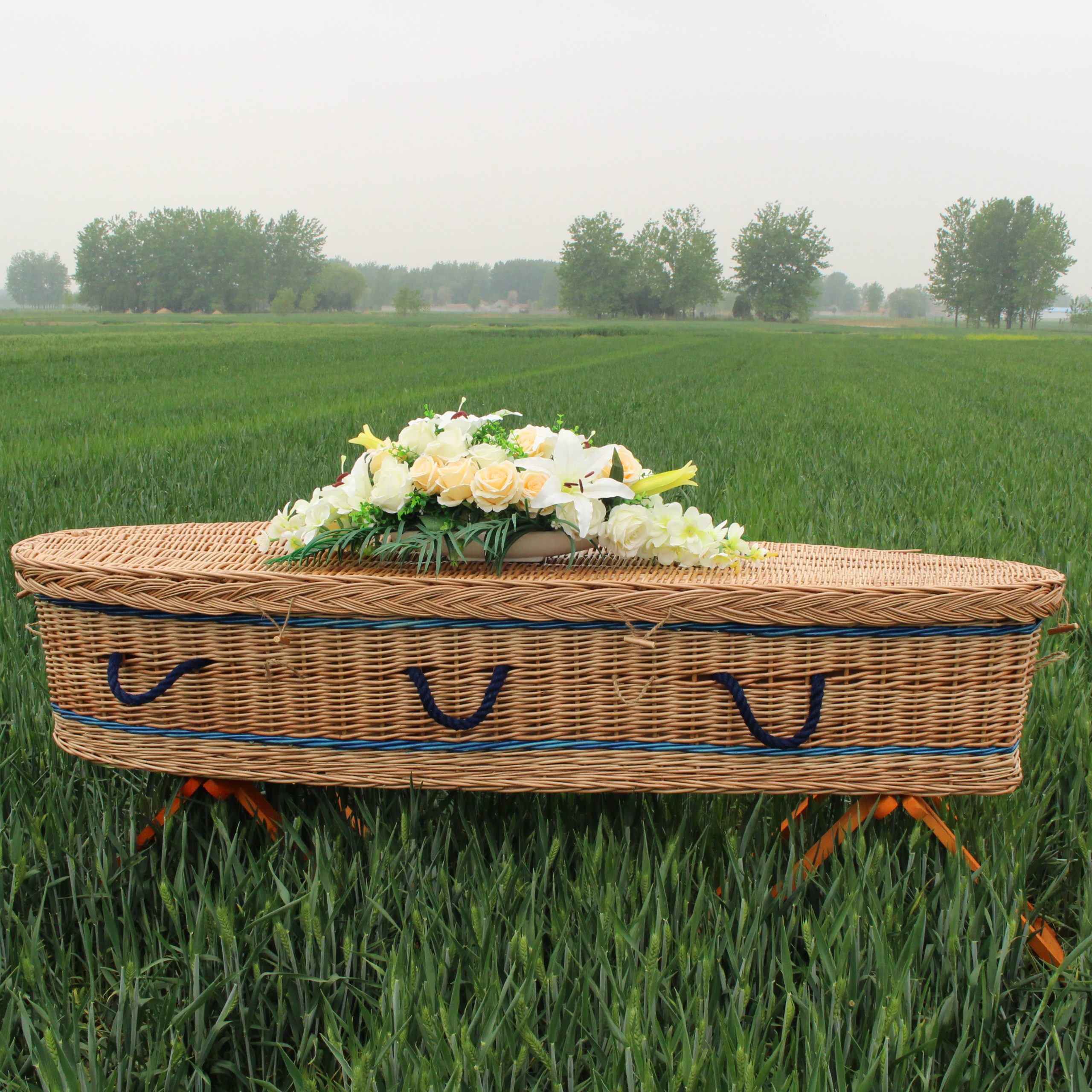
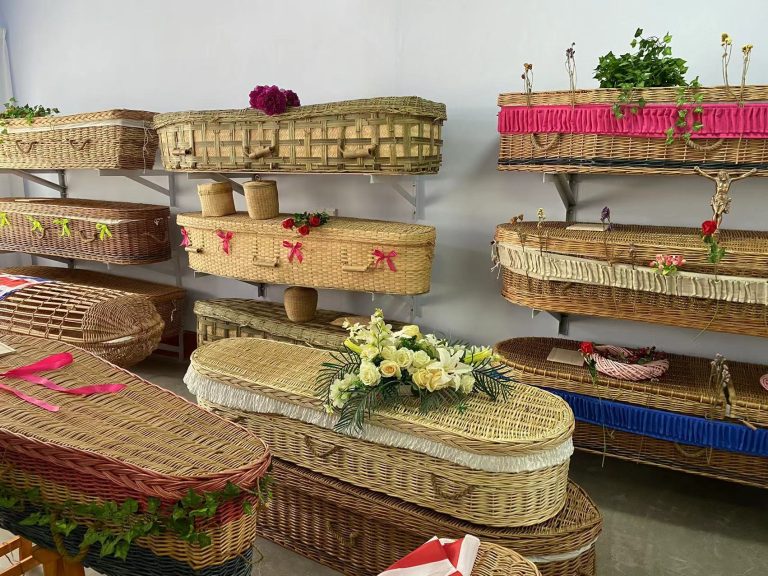
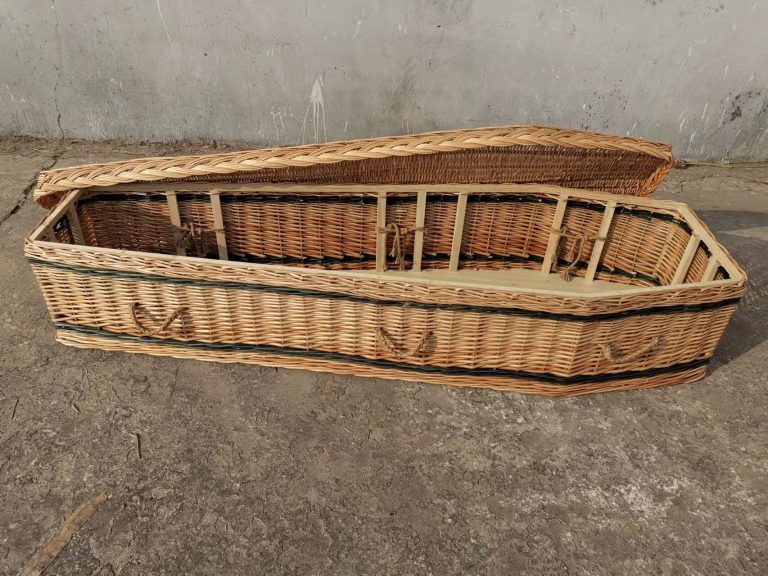
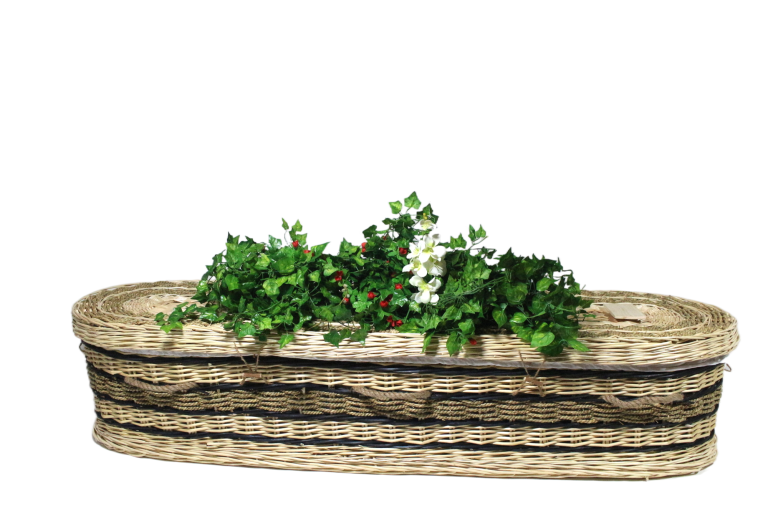
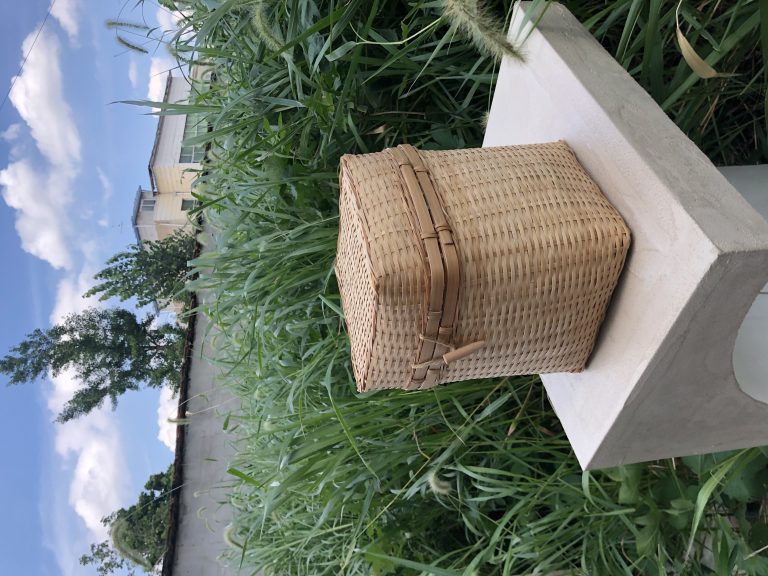
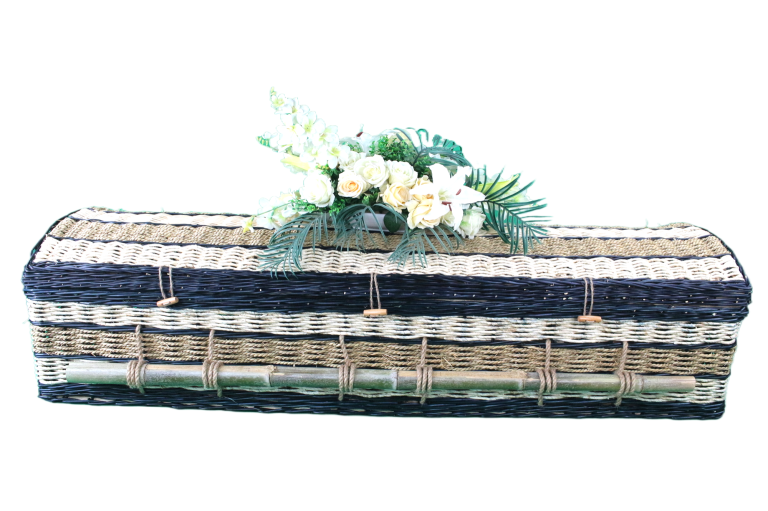
Central to Buddhist thought are the principles of impermanence (anicca) and non-harm (ahimsa). A green burial, which allows the body to decompose naturally and minimize environmental impact, is a direct reflection of these ideals. It accepts the transient nature of the physical form without attempting to artificially preserve it, and it compassionately reduces the ecological “footprint” of death. Practices like Tibetan sky burials (where the body is offered to birds) and forest burials are extreme but logical extensions of this view, facilitating a swift and useful return to the cycle of life. For many Buddhists, choosing a simple shroud, a woven casket, or a tree pod burial is a final act of mindful detachment and kindness towards the Earth.
Daoism: Aligning with the Way of Nature
Daoist philosophy, rooted in the concept of “Dao Fa Zi Ran” (道法自然, “The Dao follows nature”), emphasizes harmonious integration with the natural world. The body is seen as part of the cosmos’ continuous transformation. Elaborate, resource-intensive burials that disrupt the land or pollute it with non-biodegradable materials are considered a violation of this natural flow. Historical Daoist texts and practices advocate for simplicity in death. A green burial—whether a natural burial in a forest, water burial, or the use of plant-based coffins—is viewed as the ultimate alignment with the Dao, allowing the individual’s energy to flow seamlessly back into the environment from which it came.
Hinduism: Purity, Cycle, and Riverine Tradition
While traditional Hindu antyeshti (funeral rites) involve cremation on a wooden pyre by the sacred Ganges River, the underlying principles strongly support ecological consciousness. The belief in purity and pollution extends to the environment; thus, polluting the earth or water with toxins from embalming or non-degradable caskets is problematic. The core concept of reincarnation (samsara) underscores the cyclical, interconnected nature of all life, where the physical elements are constantly reused. Although cremation is standard, there is a growing “green cremation” movement using cleaner-burning systems. Furthermore, the practice of depositing ashes in flowing rivers symbolizes a return to the elemental cycle, a concept fully compatible with water-based ecological memorials.
Other Aligning Traditions: Jainism and Indigenous Faiths
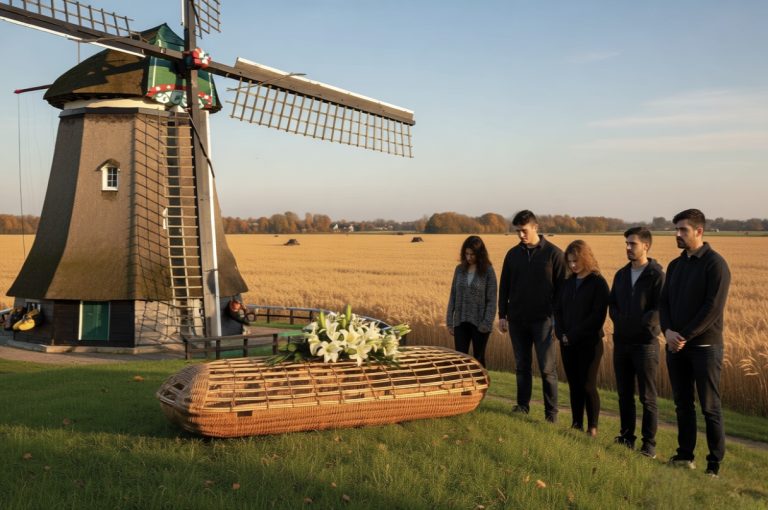
Jainism takes the principle of ahimsa (non-violence) to its utmost, mandating a lifestyle of minimal harm to all life forms (jivas). A natural burial, which avoids chemical embalming and uses biodegradable materials, is a final expression of this vow, causing the least possible disruption to the microorganisms in the soil. Similarly, many Indigenous spiritualities worldwide hold a worldview of sacred reciprocity with the Earth. For example, the concept of “giving back to the land” is central. Burial practices in these traditions often involve simple interment in a natural setting, viewing the body as a gift that nourishes the ancestral land, thereby completing a sacred circle of life, death, and regeneration.
Conclusion: From Permission to Sacred Imperative
For these religions, supporting green funerals is not merely a contemporary adaptation but a return to foundational wisdom. Where some major monotheistic religions may permit simplicity, these traditions often prescribe a form of it, framing ecological responsibility as a spiritual necessity. The convergence of their ancient ethics—emphasizing cycles, non-harm, and integration—with the modern green burial movement provides a powerful, spiritually grounded impetus for individuals to choose a final act that honors both their faith and the planet.
If you are interested in how these principles are being adapted in specific modern practices, such as reef ball burials or memorial forests, I can provide further details on those applications.
We are a factory supporting eco friendly green funeral(natural willow coffins\bamboo caskets and so on) .. for detail please contact us www.phoenixnestcoffins.com;
Phoenix Nest ( Shandong ) Crafts Co.,Ltd.
https://phoenixnestcoffins.com/
Whatsapp: +86-18265103836 (Whatsapp & Wechat & Tel)
Email: jason@phoenxinestcoffin.cn