When we lose someone we love, the way we say goodbye matters. More and more families across Europe and North America are choosing green burials—a return to simplicity, nature, and quiet respect. It’s not about grand gestures or polished rituals; it’s about honoring a life while treading lightly on the earth. But what does “etiquette” look like in a green burial? How do we comfort each other when the focus is on roots, soil, and letting go? Here’s a gentle guide to navigating this tender path.
First: Let Go of “Should”
green burials are deeply personal. There’s no universal rulebook, and that’s okay. Unlike traditional funerals with rigid timelines or embalming requirements, eco funerals invite flexibility. The most important etiquette? Follow the wishes of the person who passed—or their family. If they asked for no flowers, skip them. If they wanted a small gathering under a tree, keep it intimate. Simplicity is the heart of green burial, so don’t overcomplicate it.
Choosing the Right Vessel: willow coffins & Handmade Care
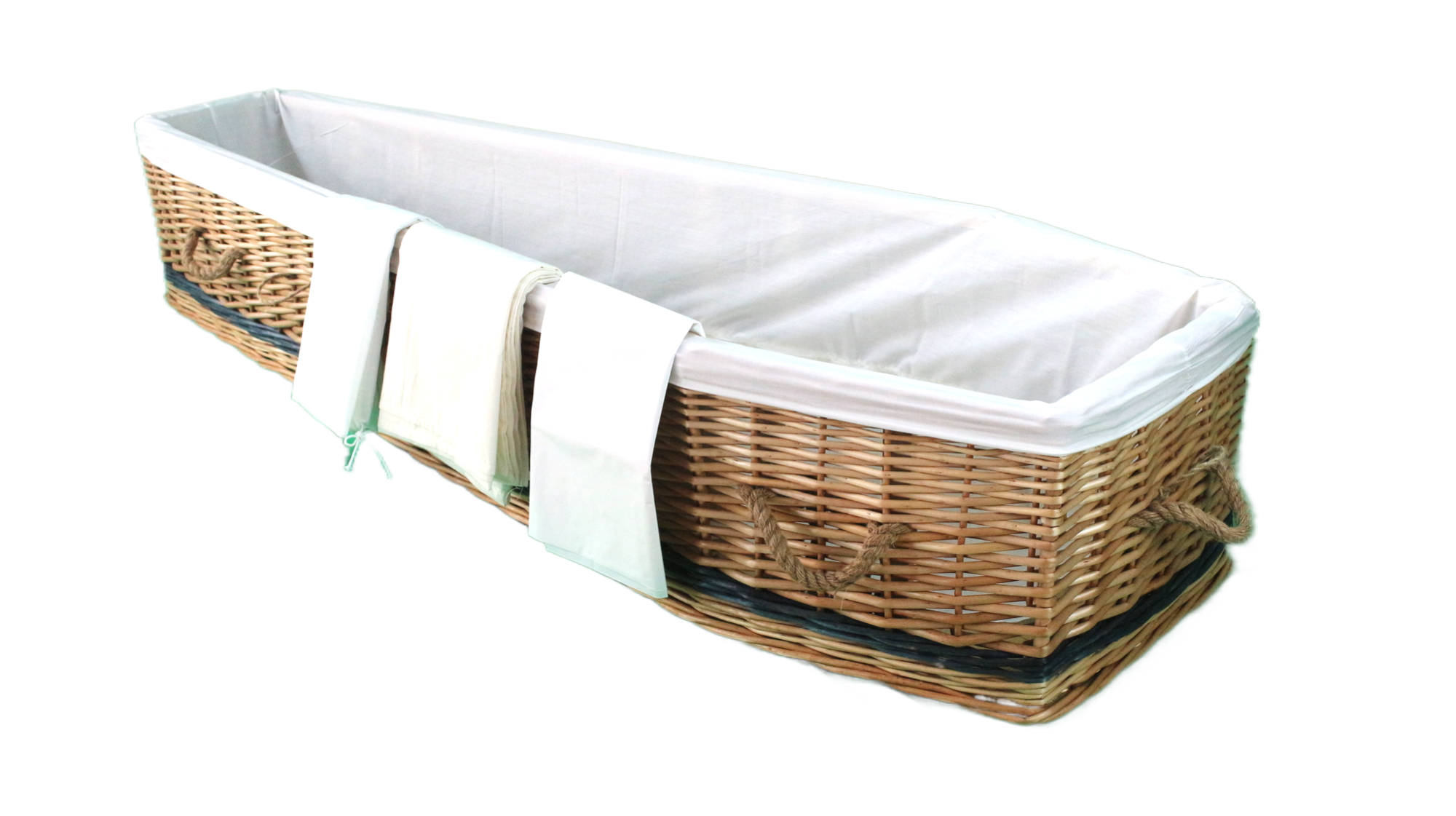
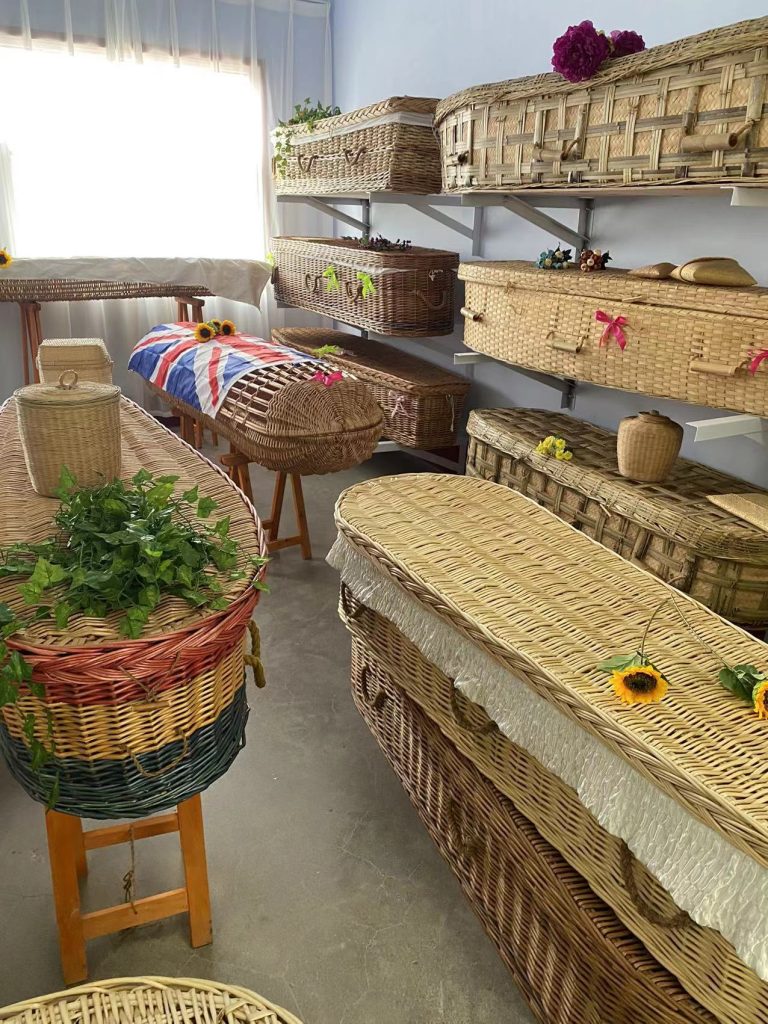
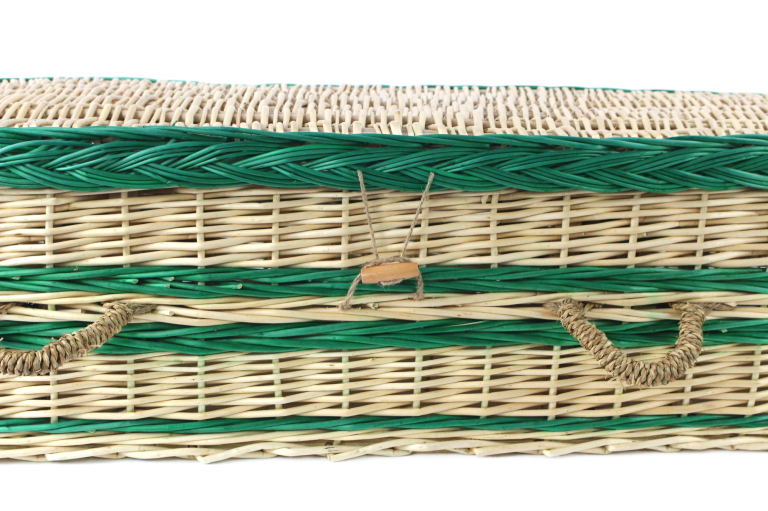
A key part of green burial etiquette is selecting a container that honors both the person and the planet. This is where willow coffins (or willow caskets) shine. Woven from fast-growing, renewable willow branches, these biodegradable coffins break down naturally, returning to the soil without toxins or waste. They’re not just “eco-friendly”—they’re works of art, often handmade by artisans who weave each strand with care.
For families seeking authenticity, it’s worth knowing that many of the world’s finest willow coffins trace back to Linshu County, China—a region renowned for its centuries-old willow weaving tradition. There, skilled craftspeople (many from multigenerational workshops) harvest willow sustainably, then hand-weave each coffin to be sturdy yet gentle, light yet durable. These aren’t mass-produced boxes; they’re vessels made with the same attention a gardener gives a seedling. When you choose a willow coffin from such a source, you’re not just honoring your loved one—you’re supporting a craft rooted in respect for nature.
Dress Simply, Act Softly
green burials rarely call for black suits or formal dresses. Instead, opt for clothes that feel you: a favorite sweater, a linen shirt, comfortable shoes for walking on grass. Avoid synthetic fabrics (they don’t biodegrade!) and skip jewelry or accessories that might linger in the soil.
At the gravesite, move slowly. Speak softly. If there’s a moment of silence, let it breathe. Some families plant wildflowers or place a small stone instead of a headstone; others read poems or share stories about the person’s love for hiking, baking, or stargazing. There’s no “right” way to grieve here—only what feels true.
Gifts That Grow (Not Gather Dust)
If you want to show support, skip traditional sympathy gifts like cut flowers (which wilt and create waste). Instead:
Plant a tree or shrub in the person’s name (check with the family first—some green cemeteries have planting guidelines).
Donate to an environmental cause they cared about (e.g., rewilding projects, bee conservation).
Bring a handwritten note. In a digital age, a few heartfelt words on recycled paper mean more than any bouquet.
Respect the Land, Respect the Moment
green burial sites are often natural preserves—meadows, woodlands, or prairies. Etiquette here means treading lightly: stay on paths, avoid picking plants, and leave no trash (even biodegradable items like food scraps can disrupt local ecosystems). If children are present, gently remind them to watch, not wander—this is a space for quiet reflection.
And if you’re unsure about something? Ask. Most green burial organizers are happy to guide you. They’d rather you feel comfortable than guess and worry.
The Quiet Gift of Presence
In the end, green burial etiquette isn’t about rules—it’s about presence. Sit with the family. Hold their hand. Share a memory of the person that makes you smile. Laugh softly at a funny story. Cry if you need to. These small acts of connection are the most meaningful part of any farewell, green or not.
When we choose a willow coffin, walk gently on the earth, and hold space for each other, we’re not just saying goodbye—we’re weaving our loved one’s story into the land they cherished. And that, perhaps, is the gentlest etiquette of all.S. If you’re exploring willow coffins, take a moment to learn about their origins. Many come from Linshu County, China, where artisans have woven willow into tools, baskets, and now coffins for generations. Their work reminds us: even in loss, there’s beauty in craftsmanship that honors the earth.